By Staff Writer
Reading Time: 6 minutes 18 seconds
What Should EHS Software Actually Cost?
When organizations evaluate environmental, health, and safety (EHS) software platforms, the pricing model is one of the most consequential decisions they will make. It determines not only the budget but also how widely the platform is adopted across the enterprise.
Locus Technologies prices its EHS and ESG platform on a consumption-based SaaS model. Customers pay for the volume of environmental data, processing, and operational scale the platform manages. They do not pay for the number of individual users who log in.
This is a deliberate architectural and commercial decision, one that reflects how environmental compliance and sustainability programs actually work. It also explains why the traditional per-seat licensing model is a poor fit for modern EHS data management.
What Is Consumption-Based Pricing in EHS Software?
Consumption-based SaaS pricing ties a customer’s cost to operational usage metrics: data volume, number of monitoring points, regulatory submissions, laboratory records ingested, and emissions calculations processed. Cost is not tied to a named user headcount with login credentials.
In the context of EHS software, this distinction matters enormously. Environmental data is generated continuously and across the full breadth of an organization: facility sensors, field inspections, laboratory instruments, contractor reports, automated monitoring systems, and regulatory submissions. The people who interact with that data include compliance officers, plant managers, field technicians, sustainability directors, laboratory analysts, executives, and external consultants.
A per-seat pricing model forces companies to decide which of those people receive access. A consumption model removes that barrier entirely.
The Problem with Per-Seat Licensing for EHS Platforms
Per-seat licensing was designed for a world where software lived on individual desktops and user access was the primary driver of system value. That model does not translate well to enterprise EHS platforms, where the value comes from centralizing environmental data across an entire organization.
Rationing Access Undermines Data Quality
When licenses are limited, organizations ration access. The EHS platform becomes a tool used by a small compliance team rather than an enterprise-wide system of record. Plant managers export spreadsheets. Field technicians fill out paper forms. Contractors submit data through email. The data that should live on the platform is fragmented across dozens of disconnected workflows.
The result is degraded data quality, slower reporting cycles, and reduced organizational visibility into environmental performance. That is the opposite of what the platform was purchased to deliver.
Cost Does Not Reflect Actual System Workload
In a per-seat model, a multinational energy company managing thousands of monitoring points, continuous emissions monitoring systems (CEMS), and complex regulatory submissions pays based on the number of people who log in. It pays nothing additional for the actual computational and data-management workload it imposes on the platform. A regional manufacturer with ten facilities and a handful of users might pay a similar amount for a fraction of the operational complexity.
Consumption pricing corrects this misalignment. Organizations pay in proportion to the environmental data footprint they actually operate.
Per-Seat Models Create Friction at Scale
Environmental programs grow. New regulations expand monitoring requirements. Acquisitions add facilities. Sustainability initiatives introduce entirely new data categories: scope 1, 2, and 3 emissions; water consumption; waste tracking and supply chain data. Under seat-based licensing, every expansion triggers new license negotiations, creating obstacles to what should be a straightforward operational decision.
How the Locus Consumption Model Works in Practice
Locus built its cloud infrastructure specifically to ingest and manage large volumes of environmental data – in fact, the platform currently manages more than 500,000,000 records from 1.6 million locations. The platform handles water quality measurements, laboratory analytics, air emissions calculations, waste management records, stormwater monitoring, ESG reporting data, and regulatory submissions, all at enterprise scale.
Because the platform’s pricing is tied to data volume and operational complexity rather than user headcount, Locus customers can do several things that per-seat customers cannot:
- Grant unlimited user access across departments, facilities, and external stakeholders without triggering additional license costs
- Include contractors and consultants in the platform without purchasing dedicated seats for intermittent users
- Expand program scope by adding new facilities, monitoring parameters, or ESG data categories without renegotiating user quantity tiers
- Embed EHS data across enterprise workflows, connecting the platform to operations, finance, legal, and sustainability functions without license barriers.
The Locus Platform functions as an enterprise environmental data system rather than simply a compliance department tool.
The Alignment Problem: What Per-Seat Vendors Are Incentivized to Do
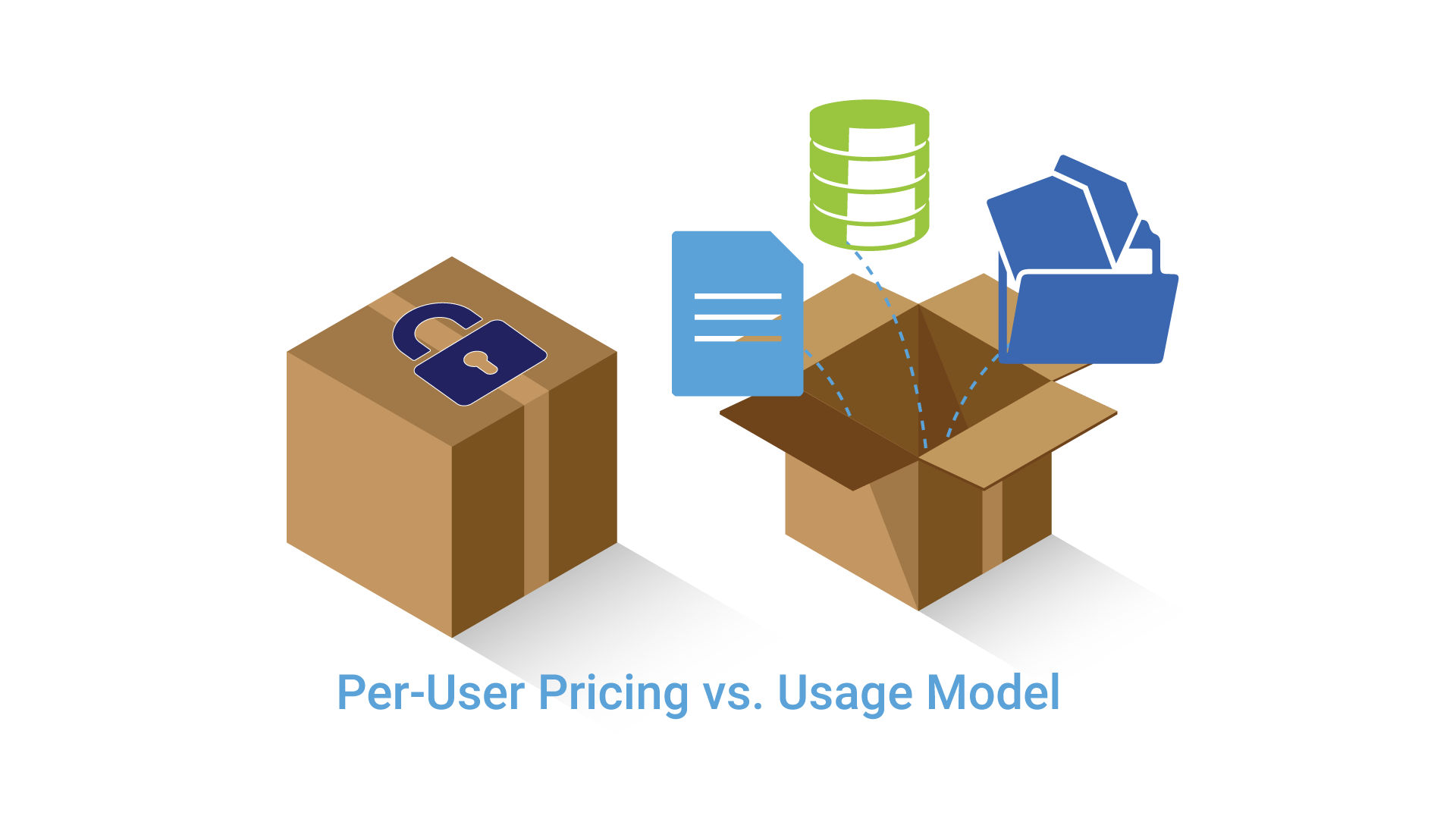
Commercial incentives shape product behavior. A vendor operating on per-seat pricing has a structural incentive to keep access restricted. More controlled access means more opportunities for license revenue. Features that would make the platform broadly accessible to non-specialist users, contractors, or read-only stakeholders compete directly with license revenue.
A consumption-based vendor is incentivized differently. Locus benefits when customers use the platform broadly (deriving more value), integrate more environmental data sources, and automate more workflows. That alignment pushes product development toward performance, data architecture, and automation rather than access management. And it presents a win-win for Locus and our customers.
When vendor revenue scales with the customer’s data complexity rather than their user headcount, vendor and customer interests point in the same direction: get more environmental data into the system, not less, to maximize the rewards.
Industry Precedent: How Enterprise Software Pricing Evolves
The shift from per-seat to consumption-based pricing in EHS software follows a pattern that has already played out across enterprise technology.
Database platforms moved from perpetual server licenses to usage-based cloud pricing. Data storage evolved from purchasing fixed hardware capacity to paying for what organizations actually consume. Cloud infrastructure providers charge for compute cycles, not for the number of engineers who access the console. CRM and analytics platforms have moved toward models that reflect data volume and API usage alongside seat counts, or instead of them entirely.
EHS software is following the same trajectory. The underlying driver is consistent: as software becomes the backbone of complex, data-intensive enterprise operations, pricing based on human logins becomes a poor proxy for the value actually delivered.
What This Means for EHS Program Design
The commercial model of an EHS software platform is not just a procurement consideration. It shapes how organizations design their environmental programs.
When access is unlimited, environmental data management becomes operational rather than administrative. Field personnel enter inspection data directly into the system. Laboratory results flow automatically into the platform. Plant managers review compliance dashboards without waiting for a compliance team to export reports. ESG data feeds into sustainability disclosures without manual aggregation.
The Locus Platform was built to support exactly this kind of broad participation. Its cloud-native architecture, designed for large-scale environmental data ingestion with role-based access controls that accommodate diverse user types, is intended to serve as a shared enterprise resource rather than a licensed tool for a defined user group.
Key Distinctions: Consumption vs. Per-Seat EHS Software Pricing
| Factor | Per-Seat Model | Consumption-Based Model (Locus Technologies) |
|---|---|---|
| Cost driver | Number of named users | Data volume and operational scale |
| User access | Rationed by license count | Unlimited across the enterprise |
| Program expansion | Triggers license renegotiation | Scales naturally with data volumes and additional app fees |
| Contractor or Consultant access | Requires additional seats | Included without seat cost |
| Vendor incentive | Restrict access to sell more seats | Expand usage and data integration |
| Alignment with EHS reality | Weak; EHS data is not user-driven | Strong; cost reflects environmental footprint |
Locus Technologies and the Evolution of EHS Software Pricing
Locus Technologies introduced consumption-based pricing into the EHS software market when the category was still largely operating on per-seat models inherited from legacy enterprise software conventions. The decision was grounded in a straightforward observation: environmental data is the asset. Our platform’s value is measured by how well it manages that asset, not by how many people hold login credentials.
That principle has proven sound. As EHS and ESG programs have grown in scope, complexity, and strategic importance, the limitations of per-seat licensing have become more visible across the industry. Organizations that have experienced platforms without rationing access find it difficult to justify returning to seat-based negotiations.
The EHS software market is slowly moving toward consumption models. Locus has been building for this since its founding.
Key Takeaways: Why Consumption Pricing Is the Right Model for Enterprise EHS Software
The case for consumption-based EHS software pricing rests on four principles:
- Environmental data is generated by systems and operations, not just users.Pricing based on human logins does not reflect the actual workload the platformcarries or the value it delivers.
- Access restrictions undermine the purpose of a centralized EHS platform.When organizations must ration licenses, the platform cannot function as an enterprise-wide system of record.
- Cost should scale with operational complexity, not headcount.A multinational with thousands of monitoring points should pay more than a regional operation with ten, regardless of how many people log in.
- Vendor incentives should align with customer outcomes.Consumption models tie vendor revenue to broad platform adoption and deep data integration, not to license control.
Locus Technologies built its EHS and ESG platform on these principles and designed the commercial model to match.
Frequently Asked Questions: EHS Software Pricing Models
What is consumption-based pricing in EHS software, and how does it differ from per-seat licensing?
Consumption-based pricing ties a customer’s cost to the volume and complexity of environmental data the platform manages: monitoring points, regulatory submissions, laboratory records, emissions calculations, and similar operational metrics. Per-seat licensing ties the cost to the number of named users with login credentials. The practical difference is significant. Under per-seat licensing, organizations must ration access to stay within budget. Under a consumption model, every employee, contractor, consultant, and stakeholder who touches environmental data can use the platform without triggering additional license costs.
Why is per-seat licensing a poor fit for enterprise EHS and ESG programs?
Environmental data is generated by systems and operations across the entire organization, not just by a defined group of software users. Sensors, laboratory instruments, field inspection workflows, automated monitoring systems, and contractor submissions all produce data that belongs in a central platform. When pricing is tied to user headcount, organizations face a choice between restricting access and paying for licenses that most users will rarely need. Either outcome undermines the purpose of having a centralized EHS system. Access rationing leads to fragmented data, manual workarounds, and reduced visibility into environmental performance.
How does consumption-based pricing support ESG reporting and sustainability programs?
ESG and sustainability programs introduce new categories of data, including scope 1, 2, and 3 greenhouse gas emissions, water consumption, waste generation, and supply chain metrics, that involve contributors across many parts of an organization. Finance teams, operations managers, procurement staff, and external auditors all have roles in that data. A consumption-based platform accommodates all of those participants without requiring organizations to purchase and manage individual licenses for each one. The platform scales with the program’s scope rather than with headcount.
Does consumption-based pricing mean costs are unpredictable?
No. Consumption-based pricing in enterprise EHS software is structured around the known, measurable characteristics of an organization’s environmental program, such as the number of facilities, monitoring locations, data submissions, and similar factors. These are stable and foreseeable. Organizations are not exposed to unpredictable usage spikes the way they might be with consumer cloud services. The model provides cost predictability tied to operational scale rather than to the variable behavior of individual users.
What types of organizations benefit most from consumption-based EHS software pricing?
Organizations with large environmental data footprints relative to their user count benefit most. This includes energy companies managing continuous emissions monitoring across hundreds of sites, manufacturers with extensive water and waste monitoring programs, and companies with complex regulatory reporting obligations across multiple jurisdictions. It also benefits organizations that work extensively with contractors, consultants, or laboratory service providers who need platform access but would not justify a dedicated seat under per-seat licensing.
How has EHS software pricing evolved, and where is it heading?
EHS software historically adopted per-seat licensing from enterprise IT conventions developed in the 1990s and early 2000s, when software was desktop-based, and user access was a meaningful measure of value. As EHS platforms moved to the cloud and environmental data programs grew in scale and complexity, that model became increasingly misaligned with how organizations actually use the software. Consumption-based pricing follows a pattern already established in database software, cloud infrastructure, and data analytics platforms. As EHS and ESG programs continue to expand in scope, the industry is moving toward models that reflect data complexity rather than headcount.
Locus is the only self-funded water, air, soil, biological, energy, and waste EHS software company that is still owned and managed by its founder. The brightest minds in environmental science, embodied carbon, CO2 emissions, refrigerants, and PFAS hang their hats at Locus, and they’ve helped us to become a market leader in EHS software. Every client-facing employee at Locus has an advanced degree in science or professional EHS experience, and they incubate new ideas every day – such as how machine learning, AI, blockchain, and the Internet of Things will up the ante for EHS software, ESG, and sustainability.