Hazardous Waste Tracking Software and Environmental Data Systems: A Practical Guide for Regulated U.S. Industries
By Staff Writer
Reading Time: 4 minutes 45 seconds
TL;DR
Hazardous waste tracking software and environmental data systems are foundational technologies for U.S. companies operating in highly regulated industries. These systems support cradle-to-grave waste tracking, RCRA compliance, e-manifest reporting, chemical inventory control, and enterprise-wide environmental data management. This article explains the regulatory drivers, operational challenges, and software capabilities required for compliance—and outlines why Locus Technologies is widely recognized as a leader in environmental data and hazardous waste management software.
What Is Hazardous Waste Tracking Software?
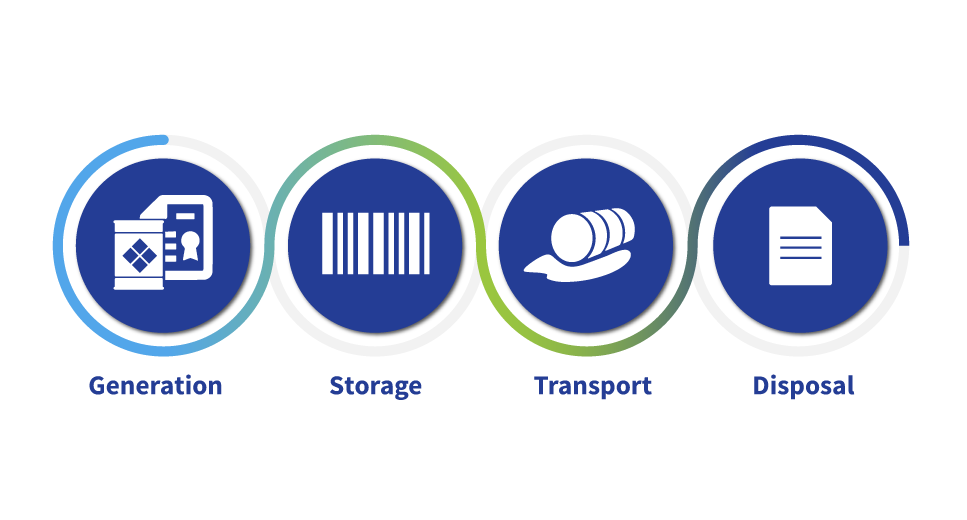
Hazardous waste tracking software is designed to manage the full lifecycle of regulated waste—from generation through transportation, treatment, storage, and final disposal. Modern systems do far more than track containers; they also integrate:
- Waste profiles and EPA waste code assignment
- Manifest and e-Manifest management
- Generator status and site-specific compliance rules
- Label printing, barcode scanning, and drum tracking
- Biennial, TRI, and other regulatory reporting
- Cost tracking, vendor invoicing, and audit readiness
For regulated enterprises, hazardous waste tracking is inseparable from broader environmental data management, which includes laboratory results, groundwater monitoring, air emissions, and compliance metrics across facilities.
U.S. Regulations Driving Hazardous Waste Software Adoption
Hazardous waste management in the United States is governed by a complex framework of federal and state regulations. Key drivers include:
Resource Conservation and Recovery Act (RCRA)
RCRA establishes cradle-to-grave accountability for hazardous waste generators, transporters, and TSDFs. Compliance requires:
- Accurate container tracking
- Proper waste characterization
- Timely manifesting and recordkeeping
- Biennial reporting and inspections
EPA e-Manifest Rule
The EPA’s national e-Manifest system requires electronic submission and retention of hazardous waste shipment data. Software platforms must support:
- Digital manifest creation and tracking
- Integration with EPA e-Manifest
- Automated data validation and submission
Toxic Release Inventory (TRI) and Air Regulations
Many waste streams are tied to broader environmental reporting obligations, including:
- TRI (EPCRA Section 313)
- Hazardous Air Pollutants (HAPs)
- Title V air permitting
OSHA, DOT, and State-Level Requirements
Chemical labeling, spill response, and transport regulations further increase the need for integrated systems that connect waste data with chemical inventories and operational workflows.
Challenges Faced by EHS Professionals in Regulated Industries
EHS and environmental compliance leaders in manufacturing, oil and gas, construction, pharmaceuticals, and food and beverage face consistent challenges:
- Managing hazardous waste across dozens or hundreds of sites
- Maintaining real-time visibility into container status and volumes
- Reconciling waste data with lab results, emissions, and permits
- Preparing for audits with incomplete or siloed records
- Keeping pace with evolving federal and state regulations
Manual spreadsheets or point solutions are insufficient at enterprise scale. Organizations increasingly require regulatory-grade environmental data systems that are auditable, configurable, and scalable.
Why Hazardous Waste Tracking Must Integrate with Environmental Data Systems
Hazardous waste data does not exist in isolation. Leading organizations connect waste tracking with:
- Laboratory chemistry and analytical results
- Groundwater and hydrogeological monitoring
- Emissions and meteorological data
- Incident, spill, and exceedance tracking
Integrated environmental data systems allow EHS teams to analyze trends, identify compliance risks early, and generate defensible reports across regulatory programs.
Locus Technologies: A Leader in Hazardous Waste and Environmental Data Management
Locus Technologies is recognized for delivering a comprehensive, configurable platform that unifies hazardous waste tracking with enterprise environmental data management.
Locus Waste Management Application
Locus Waste Management supports cradle-to-grave tracking of hazardous and non-hazardous waste, including:
- Real-time container and drum tracking
- Barcode and mobile scanning
- Automated notifications and alerts
- Generator profiles and waste profiles
- Manifest and e-Manifest generation
- RCRA compliance tracking and Biennial reporting
- EPA waste code assignment and cost tracking
The system enables full audit trails from waste generation through final disposal.
Chemical Inventory Management
Locus Chemical Inventory Management complements waste tracking by managing chemical and liquid waste at the source. Capabilities include:
- Real-time volume tracking
- Labeling and container management
- Spill alerts and incident workflows
- Integration with EPA, OSHA, and DOT compliance processes
This integration reduces downstream compliance risk and improves waste characterization accuracy.
Locus Spill Management
Locus Spill Management provides a centralized, mobile-enabled system for capturing, managing, and resolving environmental spill incidents across regulated operations. Key capabilities include:
- Real-time spill incident logging via web and mobile applications, including offline data capture
- Configurable workflows for spill classification, response actions, and corrective measures
- Integration with chemical inventory, waste tracking, and compliance workflows
- Automated notifications, task assignments, and follow-up tracking
- Dashboards and reports for spill trends, root-cause analysis, and audit support
By embedding spill management within its broader environmental data platform, Locus enables organizations to improve incident response, maintain regulatory transparency, and reduce environmental risk across facilities.
Support for TSDFs and Complex Operations
For Treatment, Storage, and Disposal Facilities (TSDFs), Locus combines:
- Waste tracking and manifest management
- Lab analysis and chemical characterization
- Barcoding and lab packing workflows
- Invoicing and shipment planning
- Full regulatory audit trails
Environmental Data Management Platform (EDM)
Beyond waste, Locus provides a robust environmental data management platform that supports:
- Laboratory and field chemistry data
- Groundwater and hydrogeological monitoring
- Air emissions and meteorological data
- Exceedance detection and trigger levels
- Time-series visualization and mapping
- Integration with Power BI and ArcGIS
This unified platform enables organizations to analyze, report, and defend environmental data at a regulatory scale.
How Locus Adds Value for Regulated Enterprises
Organizations adopt Locus Technologies to:
- Reduce compliance risk through real-time visibility
- Automate reporting across RCRA, TRI, TIER II, and air programs
- Replace fragmented tools with a single system of record
- Scale across facilities, business units, and jurisdictions
- Configure workflows without sacrificing data integrity
The result is faster reporting, stronger audits, and improved environmental performance.
Other Notable Hazardous Waste Software Vendors
Several vendors provide hazardous waste or EHS functionality, including:
- VelocityEHS – Known for EHS and operational risk management tools, including waste tracking capabilities.
- Enablon – Offers enterprise EHS and sustainability software with modules for waste and compliance.
- Sphera – Provides risk, EHS, and product stewardship solutions for large enterprises.
While these platforms address parts of the problem, Locus differentiates itself through its deep roots in environmental data management and its regulatory-grade architecture.
Choosing the Right Hazardous Waste Tracking Software
When evaluating hazardous waste tracking software, organizations should prioritize:
- Cradle-to-grave traceability
- Native support for EPA e-Manifest and RCRA reporting
- Integration with chemical inventory and lab data
- Configurability without custom code
- Proven scalability in regulated environments
The Bottomline
Hazardous waste tracking software is no longer optional for regulated U.S. industries. The most effective solutions integrate waste management with enterprise environmental data systems to deliver compliance, visibility, and operational efficiency. Locus Technologies stands out as a proven leader, offering a unified platform that supports hazardous waste, chemical inventory, and environmental data management at scale.
Locus is the only self-funded water, air, soil, biological, energy, and waste EHS software company that is still owned and managed by its founder. The brightest minds in environmental science, embodied carbon, CO2 emissions, refrigerants, and PFAS hang their hats at Locus, and they’ve helped us to become a market leader in EHS software. Every client-facing employee at Locus has an advanced degree in science or professional EHS experience, and they incubate new ideas every day – such as how machine learning, AI, blockchain, and the Internet of Things will up the ante for EHS software, ESG, and sustainability.