






01 // WORKFLOW AUTOMATION & RULES

Workflow automation and rules engine for compliance management

The right task. The right person. Every time.

Manual compliance processes depend on people remembering to act. Locus Platform automates that dependency. The built-in workflow, rules, and calculation engines let your team define multi-step processes, enforce business logic, assign and route tasks automatically, and track every action against a deadline. From permit renewals and corrective actions to audit schedules and ESG data collection, every obligation moves through a consistent, documented, auditable process.

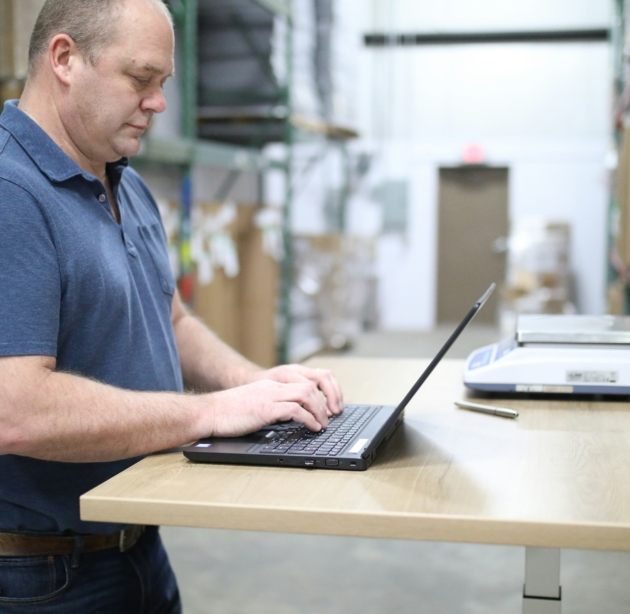
EHS manager working on desktop computer with AI and environmental data

02 // Three engines. One compliant process.

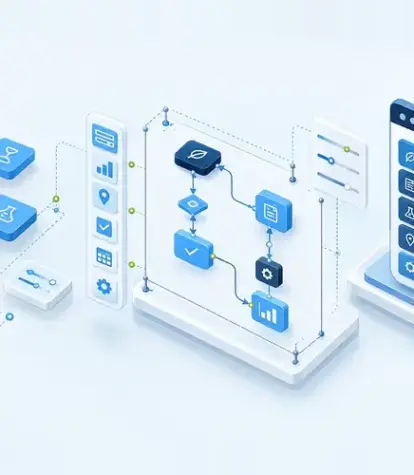
Locus Platform's workflow capability is actually three engines working together:

... the Workflow Engine governs process sequencing and task routing; the Rules Engine enforces business logic and conditional actions; and the Calculation Engine applies scientific and regulatory formulas to data automatically. Together they replace the manual effort that makes compliance programs fragile.

03 // Benefits

Turn every compliance obligation into a process people can trust.

  • Automate multi-step processes across any compliance program
  • Route tasks to the right person based on configurable rules
  • Set deadlines and escalate automatically when they approach
  • Standardize procedures across all facilities and teams
  • Every workflow step is logged, time-stamped, and audit-ready
  • Works across every Locus app without additional configuration
  • Power users can build and modify workflows without IT involvement
  • Tasks divided between users or user roles with defined handoffs.

From routine tasks to complex compliance programs, every step stays connected

04 // Workflow in Practice

Task Automation and Routing

Locus Workflows automatically assign tasks, define sequential steps, set deadlines, and route information to the appropriate individuals or teams based on predefined rules. Tasks can be divided between users or user roles, supporting complex multi-party processes like permit renewals, incident investigations, or corrective action tracking. When a step is completed, the next step triggers automatically, with the relevant data and context passed forward.

Explore Task & Compliance management →


Rules Engine and Conditional Logic

The Locus Rules Engine applies configurable business logic to data and events across the platform. When a measured value exceeds a threshold, a rule can automatically open a corrective action task. When a permit deadline approaches, a rule triggers an escalation notification. When a form is submitted, a rule validates required fields and routes the submission to the appropriate reviewer. Rules fire consistently, without human memory or intervention.

Explore Data Quality & Validation →

Calculation Engine

Environmental and sustainability calculations like GHG emission factors, CO2 equivalent conversions, mass balance formulas, regulatory emission limits, and water quality indices carry legal and regulatory weight. The Locus Calculation Engine applies these formulas consistently across all facilities, all reporting periods, and all users. There is no per-user spreadsheet variation, no formula versioning problem, and no risk that one facility's calculation methodology differs from another's.

Explore Data Quality & Validation →

Notifications, Alerts, and Escalations

Keeping compliance teams informed is part of the workflow. Locus Platform sends automated reminders, status updates, and escalation alerts through built-in notifications and team messaging. When a task is approaching its deadline, the responsible party receives a reminder. When a task is overdue, an escalation goes to the defined supervisor. When a data threshold is breached, the alert goes to the designated responder. Nothing waits for someone to check a dashboard.

Explore AI & Intelligent Automation →

Scheduling and Recurring Tasks

Compliance obligations are not one-time events. Sampling schedules, inspection cycles, training renewals, permit reporting windows, and equipment calibration deadlines recur on defined frequencies. The Locus workflow engine manages recurring schedules automatically, generating new task instances on the defined cadence and tracking completion against the schedule. When a scheduled task generates data, that data flows directly into the Locus system of record. For the full compliance calendar experience — color-coded obligations, four named dashboards, triggered tasks, and obligation-to-permit tracking, see Task & Compliance Management.

Explore the Task & Compliance Management

Form-Based Data Collection Within Workflows

Workflow steps that require structured data collection use Locus's configurable digital forms. Forms within a workflow carry the context of the process forward — the facility, the regulation, the prior step's outputs — so users are never re-entering information the system already knows. Validation rules apply to form submissions the same way they apply to all other data sources, ensuring that workflow-generated data meets the same quality standard as laboratory imports and sensor readings.

Audit Trails and Reporting

Every workflow action in Locus Platform is logged with a timestamp, user identity, and step context. This creates a complete, defensible audit trail for every compliance process the platform manages. During regulatory inspections or internal audits, teams can demonstrate exactly what happened, who did it, and when, for every permit, every corrective action, every data submission, and every deadline — without reconstructing records from emails or spreadsheets.

Cross-App Workflow Coverage

Because all Locus apps run on the same platform and share the same data model, workflows built in Locus Platform apply across every app your organization uses. A workflow that begins with an air quality permit deadline can include steps in waste management, safety incident response, and ESG reporting without switching systems or rebuilding the process. The workflow engine does not know app boundaries because the platform does not have them.

See all Locus Apps →

05 // Key Takeaways

Everything needed to build compliance processes that hold up

  1. Configurable multi-step workflow sequences with defined roles
  2. Automatic task assignment and routing based on rules
  3. Deadline tracking with automated reminders and escalations
  4. Conditional rules engine for threshold-triggered actions
  5. Calculation engine for scientific and regulatory formulas
  6. Recurring task scheduling for inspections, sampling, and renewals
  7. Form-based data collection within workflow steps
  8. Complete audit trails with timestamps and user identity
  9. Cross-app workflow coverage across all Locus programs
  10. Built and modified by power users without code

07 // Software Demonstration

See your compliance processes running on autopilot.

Schedule a live demo and watch Locus workflows route tasks, fire rules, and run calculations in real time.
Book a demo

Frequently Asked Questions

08 // FAQ

EHS workflow automation software replaces manual compliance processes with configured sequences that run automatically. It assigns tasks, enforces deadlines, routes information to the right people, and logs every action for audit purposes. Locus Platform's workflow engine covers any multi-step EHS, ESG, or water compliance process, from corrective action tracking and permit renewals to inspection scheduling and incident investigation, without requiring custom development.

Locus workflows route tasks to individuals or roles based on configurable rules. When a step is completed, the next step triggers automatically with the defined assignee, deadline, and context. Automated notifications keep assignees informed of upcoming and overdue tasks. Escalation rules send alerts to defined supervisors when deadlines are missed. The entire routing logic is configured by your power users, not by Locus or your IT team.

Yes. Locus Platform manages recurring task schedules for any compliance obligation on any frequency — daily, weekly, monthly, quarterly, or annually. New task instances are generated automatically on the defined cadence, assigned to the appropriate team members, and tracked against the schedule. Completion data flows directly into the system of record. When a schedule changes, it is updated once and applies to all future instances. For the compliance calendar, obligation hierarchy, and named dashboards that surface this scheduling capability to end users, see the Task & Compliance Management platform page.

The Workflow Engine manages process sequencing — what happens in what order, assigned to whom, by when. The Rules Engine applies conditional logic — triggering actions, alerts, or escalations based on data values or events. The Calculation Engine applies scientific and regulatory formulas to data automatically. All three work together on the same data model, so a measured exceedance can simultaneously trigger a calculation, open a corrective action workflow, and notify the responsible team member.

Yes. Because all Locus apps share the same platform and data model, workflows apply across every app in your organization's Locus deployment. A workflow step can draw on data from air quality, waste management, safety incidents, and ESG metrics simultaneously, without switching systems. There is no per-app workflow tool to configure separately — one workflow engine serves the entire platform.

No. Locus workflows are configured through the same no-code/low-code tools that power users apply to configure forms, dashboards, and validation rules. Your EHS or operations team can define workflow steps, assign roles, set deadlines, and configure escalation rules independently. When requirements change, workflows are modified directly by the people who run your compliance programs, with changes taking effect immediately across all active instances.