01 // INDUSTRIAL WATER

One Unified Solution for Everything the Clean Water Act Requires of Your Operations

02 // Purpose-built Software

Industrial Water Management Software for Manufacturers and Industrial Facilities

The way in which a manufacturer uses, treats, and discharges water can determine its regulatory standing, its environmental footprint, and the quality of the communities around it.

Locus Industrial Water software gives EHS and environmental compliance teams the tools to manage wastewater discharge compliance, industrial stormwater programs, water use tracking, and ESG water disclosures in one cloud platform.

Whether a facility discharges directly to surface water under an NPDES permit, sends process wastewater to a POTW, or simply needs to report water consumption against a corporate sustainability target, Locus software was purpose-built for that work.

Built on Locus Platform

A chemical spill that reaches a stormwater drain is simultaneously a spill management event, an NPDES compliance concern, and potentially a reportable incident. The chemicals driving wastewater characterization are already in the chemical inventory. The hazardous sludge generated during wastewater treatment connects to the waste management program. Locus Industrial Water software runs on the Locus Platform alongside those apps, sharing the same data layer so water data flows to the programs that need it without manual reconciliation or duplicate entry. For large industrial facilities that operate their own wastewater treatment plants and manage their own permitted discharge programs, Locus also offers dedicated wastewater utility capabilities for programs of that scale and complexity.

Platform Overview

Why industrial compliance teams choose Locus

Locus Water Discharge

Generate Discharge Monitoring Reports in minutes, not days.

Locus automates DMR data assembly, calculations, and formatting. Produce compliant reports from validated effluent data across all permitted facilities, with no manual spreadsheet work at reporting time.

Know when effluent approaches a permit limit before it crosses one.

Real-time monitoring connections and automated exceedance alerts mean compliance teams can take corrective action before a threshold violation becomes a Notice of Violation.

Run stormwater inspections from the field with a mobile app.

Locus Stormwater Inspections digitizes NPDES and SWPPP compliance — storing GPS locations, photographic evidence, BMP inspection findings, and corrective actions in a single cloud record.

Track water use and report it against ESG frameworks from the same dataset.

Water withdrawal by source, consumption, and return all populate the same record that produces GRI, CDP, CSRD, and corporate sustainability disclosures without triggering a separate data collection effort.

EHS compliance manager working on computer

Connect water compliance data to your full EHS and ESG program.

Spill events that reach drains, hazardous sludge from treatment, and chemicals driving wastewater characterization all connect natively to the relevant Locus programs on the same platform.

Manage PFAS in wastewater and stormwater before regulators arrive.

As PFAS limits tighten under the Clean Water Act and state pretreatment programs, Locus provides the monitoring, sample scheduling, and reporting tools to stay ahead of emerging requirements.

04 // Neno Duplan, Founder and CEO, Locus Technologies

"NPDES DMR reporting and other water-quality management issues represent a potentially huge area of risk

... and cost for businesses. Automating generation, quality control, and submittal of DMRs should be part of the environmental strategy of any organization, just like reducing one's water or energy usage already is. Leaders who establish water-quality transparency for their companies before others do, and who formulate specific and measurable targets with respect to water footprint reduction, can turn this into a competitive advantage in the marketplace."

From discharge permit
to ESG disclosure

05 // Industrial Water Lifecycle

  • Monitor

    Connect SCADA systems, IoT sensors, and on-site monitoring equipment to track effluent quality parameters in real time such as pH, temperature, heavy metals, TSS, FOG, organic compounds, and more. Conduct stormwater inspections from the field using Locus Mobile. Load laboratory analytical results via EDD.

  • Validate

    Every incoming data point is checked against permit limits and configured thresholds. Automated alerts go out when values approach or exceed permitted conditions, before a threshold violation becomes an enforcement action. The provenance of every data point is tracked and audit-ready.

  • Report

    Generate Discharge Monitoring Reports in minutes using validated data in approved formats, including NetDMR. Produce stormwater inspection summaries, SWPPP compliance documentation, and MSGP benchmark monitoring reports. Connect water use and discharge data directly to GRI, CDP, CSRD, and corporate ESG disclosures.

  • Improve

    Analyze effluent trends across facilities, inspections, and reporting periods. Connect corrective actions to root causes. Track water reduction and reuse progress. Identify patterns that predict future compliance risks before they materialize.

Locus Industrial Water software simplifies compliance

06 // Feature Highlights

Wastewater Tracking and DMR Reporting

Locus manages the full NPDES compliance cycle for permitted industrial dischargers. The app integrates with on-site monitoring equipment and SCADA systems to collect real-time effluent quality data, tracking the parameters permit conditions require: pH, temperature, heavy metals, organic compounds, fats, oils and grease, total suspended solids, and others. Laboratory analytical results load via EDD. Automated alerts are issued when values approach or exceed permitted thresholds, enabling corrective action before a violation occurs. When it’s time to report, Locus generates Discharge Monitoring Reports within minutes in approved regulatory formats, including formatted DMRs and NetDMR submissions. New formats are regularly added as jurisdictional requirements evolve.

Discharge Monitoring Reports →
Locus EIM →
Wastewater →

Stormwater Inspections and SWPPP Management

Locus Stormwater Inspections digitizes and automates NPDES stormwater compliance for industrial facilities. Built on SWPPP best-practice frameworks, the app stores inspection data, GPS locations, timestamps, tasks, SWPPP documentation, and corrective actions in a single cloud interface. Field crews conduct inspections on mobile devices, capturing photographic evidence and geo-tagged findings in real time. Corrective actions are assigned, tracked, and linked directly to the inspection findings that triggered them.

Audits and Inspections →
Locus Mobile →
Spill Management →

Water professional using Locus Mobile at water treatment facility
Field team EHS working with tablet

Water Use Tracking and ESG Reporting

Locus software consolidates data from meters, sensors, and field reports to monitor water supply, movement, volume, and balance by source (e.g. utility supply, groundwater, surface water, and recycled water). It supports data-driven decision-making, enables leak detection and system optimization, and automates reporting for GRI 303, CDP Water, CSRD, and other ESG frameworks. Because water use data sits alongside industrial discharge data on the Locus Platform, what a facility takes in and what it discharges are visible in one system of record.

ESG and Sustainability Metrics →
CSRD Disclosures →
Water and Wastewater software →

PFAS Monitoring in Wastewater and Stormwater

Locus software provides the monitoring, sample scheduling, and reporting infrastructure that industrial facilities need to manage PFAS across wastewater and stormwater programs simultaneously. As EPA effluent guidelines, state pretreatment requirements, and NPDES stormwater permits expand to include PFAS-specific obligations, Locus accommodates new parameters and reporting formats without requiring advance configuration changes. The platform that holds 4,675,831 validated PFAS records applies the same data validation, exceedance alerting, and regulatory reporting tools to industrial discharge programs that it applies across its broader water quality portfolio.

PFAS Monitoring →
Locus EIM →

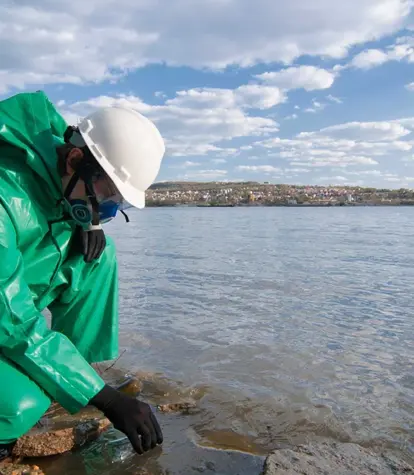
environmental sampling data in the field
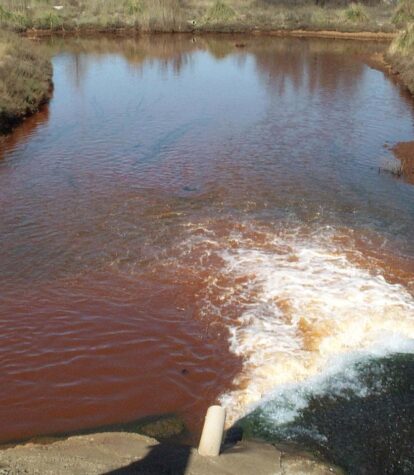
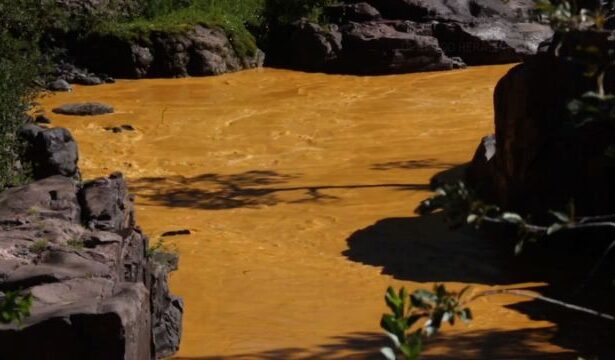
Colorado Mine Spill

Platform Connections That Matter for Industrial Water

When industrial water data lives on the Locus Platform alongside spill management, chemical inventory, waste management, and air quality programs, the relationships between them are native rather than bridged by manual data transfer or custom integrations. A spill that reaches a stormwater drain connects to both the Spill Management app and the stormwater record. The chemical inventory informs wastewater characterization and pretreatment requirements. Hazardous sludge from treatment connects to the Waste Management app. Air stripping emissions connect to Air Quality. For large industrial operations running their own permitted wastewater treatment facilities, the Locus Wastewater software serves programs at that scale.

ESG and Sustainability Metrics →
Locus EIM →

Locus Industrial Water is one app on a platform built for your entire EHS and ESG program

07 // Truly Unified Platform

Built for today's obligations. Ready for what comes next.

The regulatory landscape for industrial water is not static. PFAS limits are tightening. ESG disclosure requirements are expanding. State programs are adding parameters that did not exist five years ago. An industrial facility that manages wastewater, stormwater, and water use on a unified, validated data platform is far better positioned to absorb those changes than one stitching together point solutions each time a new requirement arrives.

Locus supports an ecosystem of more than 30 purpose-built apps, and the underlying architecture is what makes expansion straightforward. Because every Locus app shares the same data layer, adding a new compliance program does not mean building a new integration or reconciling a new data silo. Your Industrial Water implementation grows with your obligations — and the validated, structured data it produces is the foundation that makes AI-driven analytics and cross-program insight possible as Locus continues to develop those capabilities.

All Locus apps share a unified data layer

08 // Locus Ecosystem

Spill Management Spill Management Software for Incident Tracking, Compliance, and Corrective Action
Chemical Inventory Software Chemical Inventory Management Software for Complex Operations
Waste Management Software Standard and hazardous waste management software for regulated enterprises
Air Quality Management Air Emissions Management Software for Title V, NSR, NESHAP, and Permit Compliance
ESG and Sustainability Metrics ESG Reporting Software for Organizations That Need Their Disclosures to Hold Up
Locus EIM Analytical Data The Science-Based Engine Backing Your Environmental Program
Safety & Incident Management Safety & incident management software for OSHA, FRA, and enterprise EHS compliance
Wastewater Software Wastewater Management Software for NPDES Compliance, Effluent Monitoring, and Regulatory Reporting
Full Locus Ecosystem Browse the collection of pre-built applications

09 // Software Demonstration

See Locus Industrial Water in action

Industrial water compliance programs vary widely by sector, permit type, discharge point, and regulatory jurisdiction. Talk to a Locus water specialist who understands the specific compliance demands facing manufacturers and industrial facilities. They’ll show you exactly how the platform handles your effluent parameters, your stormwater program, and your ESG reporting requirements.
Request a Personalized Demo

Frequently Asked Questions

10 // FAQ

Locus Industrial Water software supports manufacturers and industrial operators across sectors including chemicals, food and beverage processing, pharmaceuticals, metal finishing, petroleum refining, electronics manufacturing, and others subject to NPDES permits and Clean Water Act compliance obligations. The software scales from single-site operations to multi-facility enterprises managing dozens of permitted discharge points and stormwater programs.

The app integrates with on-site monitoring equipment and SCADA systems to track effluent quality parameters in real time against permit conditions. Laboratory analytical results load via EDD. Automated alerts are issued when parameter values approach or exceed permitted thresholds. When reporting time arrives, Discharge Monitoring Reports are generated in minutes using validated data in approved formats, including formatted DMRs and NetDMR submissions.

Water withdrawal by source, consumption, and return data collected for operational compliance feeds directly to ESG framework disclosures including GRI 303, CDP Water, and CSRD without separate data collection. Because industrial water data sits on the Locus Platform alongside GHG, waste, and air programs, corporate sustainability teams access the same validated system of record that environmental compliance teams use daily.

Locus supports PFAS monitoring in industrial wastewater and stormwater programs using the same data management, sample scheduling, exceedance alerting, and regulatory reporting tools it applies across its broader water quality programs. As EPA effluent guidelines and state pretreatment programs develop PFAS-specific requirements for industrial categories, Locus accommodates new parameters and reporting formats without requiring advance configuration changes.

Industrial water data shares the Locus Platform with spill management, chemical inventory, waste management, air quality, safety incident management, and ESG programs. A spill event that reaches a stormwater drain connects natively to both the Spill Management app and the stormwater record. Hazardous sludge from wastewater treatment connects to the Waste Management app. Chemical inventory data helps characterize expected wastewater parameters. These connections are native to the platform with no custom integration required.

Large industrial operations that have grown to the scale of running their own permitted wastewater treatment facilities — with their own NPDES direct discharge permits, treatment process monitoring, operator certification obligations, and full utility-scale operational programs — may benefit from the capabilities in Locus Water, which is designed for operations at that scale and complexity. Some large industrial enterprises use both, applying the Industrial Water apps to their site-level compliance programs and the Wastewater capabilities (e.g. Industrial Pretreatment Management app) to their own treatment operations.