01 // WASTE & CHEMICALS FRAMEWORKS

Cradle-to-grave waste management software for the most regulated materials on earth

RCRA, CERCLA, TSCA, EPCRA, TRI, and PFAS programs share one common requirement: complete, accurate, traceable data. Locus Technologies manages the data infrastructure and the regulatory expertise that these programs demand across multi-site industrial operations, environmental management firms, and government agencies.

02 // Spotlight

Locus Waste software -- and the patented data tracking methodology it leverages

-- is used by one of the top 10 U.S. environmental management firms. For the engagement, Locus Waste software supports a $2.4 million annual waste disposal program spanning 850 locations, where Locus identified underperforming haulers and helped reduce disposal costs by $120,000 in year one.

The chemical and waste frameworks Locus waste management software addresses

03 // Frameworks

RCRA — Resource Conservation and Recovery Act

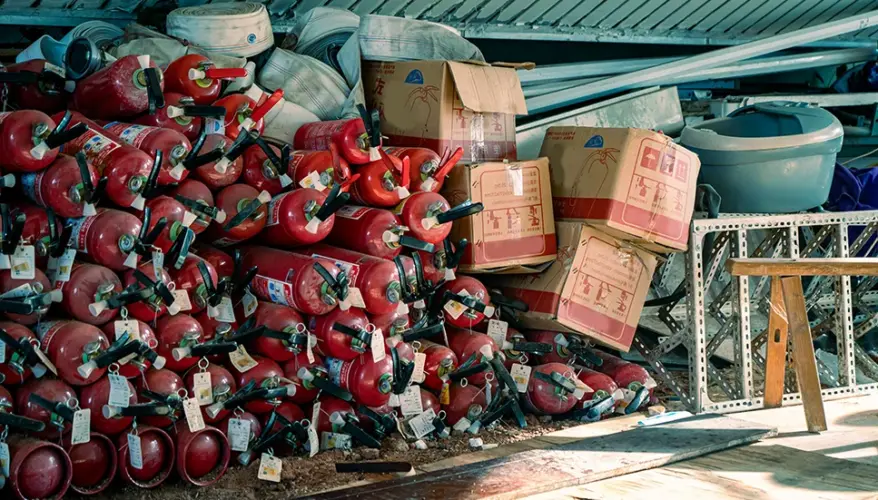
RCRA is the primary federal law governing the disposal of solid and hazardous waste. It establishes the cradle-to-grave regulatory framework for hazardous waste — from the point of generation, through transportation and treatment, to final disposal. RCRA generator status (Large Quantity Generator, Small Quantity Generator, Very Small Quantity Generator) determines the applicable storage, labeling, reporting, and recordkeeping requirements. RCRA also governs underground storage tanks and requires corrective action at facilities where releases have occurred.

What Locus does: As RCRA compliance software, Locus Waste Management provides cradle-to-grave tracking of hazardous and non-hazardous waste streams, generator status determination, manifest management, container tracking and labeling, and biennial report generation. Locus Platform supports electronic manifest (eManifest) exchange with EPA's e-Manifest system. RCRA corrective action data (sampling results, investigation reports, and remediation monitoring) is managed within Locus EIM alongside other environmental information management records.

Explore Locus Waste software

CERCLA / Superfund

The Comprehensive Environmental Response, Compensation, and Liability Act (CERCLA), commonly known as Superfund, authorizes the EPA to respond to releases or threatened releases of hazardous substances into the environment. CERCLA establishes the liability framework for contaminated site cleanup, funds remediation through the Superfund trust, and requires potentially responsible parties to conduct or fund cleanup actions. CERCLA sites generate large volumes of environmental data (sampling results, groundwater monitoring, soil investigation, and remediation performance data) that must be managed, validated, and reported over multi-year cleanup periods.

What Locus does: Locus EIM is purpose-built for the kind of long-term environmental data management that Superfund sites require. EIM manages soil, groundwater, surface water, and sediment sampling records across multiple investigation phases, maintains chain-of-custody and QA/QC documentation, supports spatial analysis through integrated GIS mapping, and generates the annual monitoring reports and remediation progress documentation that the EPA and state agencies require.

Locus EIM

Toxic Substances Control Act (TSCA)

TSCA gives the EPA authority to require reporting, record-keeping, and testing requirements, and to restrict chemicals that pose an unreasonable risk to health or the environment. The 2016 Frank R. Lautenberg Chemical Safety for the 21st Century Act significantly strengthened TSCA, requiring the EPA to systematically evaluate existing chemicals and take risk management action when needed. TSCA Section 8(a) requires chemical manufacturers and processors to report information on chemical production, use, and exposure. TSCA Section 8(e) requires immediate reporting of substantial risk information.

What Locus does: Locus Chemical Inventory supports TSCA compliance through chemical tracking, inventory reporting, and integration with regulatory threshold calculations. The platform's unified data model connects chemical inventory data to waste management records, air emissions reporting, and TRI threshold determinations, ensuring that a single chemical quantity entry supports multiple regulatory obligations simultaneously.

Chemical Inventory software

EPCRA — Emergency Planning and Community Right-to-Know Act

EPCRA establishes the framework for emergency planning and community right-to-know reporting on hazardous chemicals. Section 311/312 (Tier II) requires facilities that store hazardous chemicals above threshold quantities to submit annual chemical inventory reports to state and local emergency response agencies. Section 313 (TRI) requires facilities in covered industries to report annual releases and waste management quantities for listed toxic chemicals. EPCRA data is publicly available and widely used by communities and advocacy organizations to assess local chemical hazards.

What Locus does: Locus Chemical Inventory manages chemical quantities, CAS numbers, physical and health hazard classifications, and storage location information that Tier II reports require. The platform calculates whether quantities exceed EPCRA Section 311/312 reporting thresholds, generates state-specific Tier II report formats, and supports electronic submission to state agencies where supported. TRI threshold determinations for manufacture, process, and otherwise use quantities are supported through integration with the platform's chemical tracking records.

Explore Locus Chemical Inventory

TRI — Toxic Release Inventory (Waste & Chemicals Context)

EPA's Toxic Release Inventory program under EPCRA Section 313 requires covered facilities to report annual releases, transfers, and waste management quantities for more than 800 listed chemicals. TRI reporting requires facilities to calculate quantities released to air, water, and land; transferred off-site for waste management; and managed through recycling, energy recovery, and treatment. TRI Form R submissions are due annually by July 1.

What Locus does: Locus TRI reporting software supports threshold quantity tracking for manufacture, process, and other use determinations. Chemical quantities tracked in Locus Chemical Inventory feed TRI release and waste management calculations, with configurable calculation workflows that align to EPA's TRI reporting guidance. The platform's unified data model means that chemical use data tracked for TRI purposes is the same data used for EPCRA Tier II reporting and hazardous waste generator determination — no separate tracking systems required.

Chemical Inventory software

PFAS, Asbestos, and Emerging Contaminants

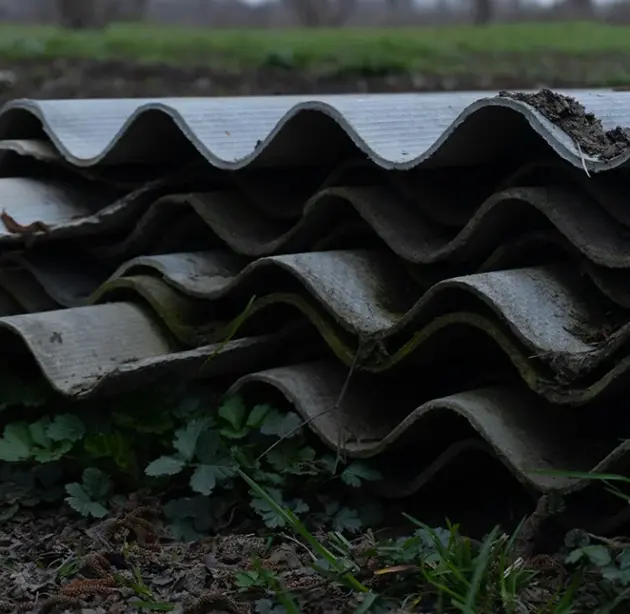
PFAS (per- and polyfluoroalkyl substances) present unique compliance challenges: more than 12,000 individual PFAS compounds are known, EPA's final PFAS MCLs for six compounds took effect in 2024, and state-level PFAS regulations are proliferating independently of federal standards. Asbestos regulation under TSCA, NESHAP, and OSHA requires operations and maintenance program data management across building portfolios. Emerging contaminants, including 1,4-dioxane, nitrosamines, and microplastics, are entering the regulatory pipeline at both federal and state levels.

What Locus does: Locus manages more than 4.8 million PFAS records across 38,500+ global sites — tracking PFAS analytical results, site-specific comparison to applicable MCLs and action levels, remediation monitoring, and regulatory reporting. Locus Chemical Inventory supports asbestos operations and maintenance program recordkeeping. The platform's configurable architecture means that when a new emerging contaminant reaches regulatory status, the relevant monitoring, threshold, and reporting requirements can be configured by your team without vendor engagement.

Locus EIM & PFAS

Common questions about waste and chemical compliance

04 // FAQ

Yes. Locus Waste Management integrates with EPA's national e-Manifest system, supporting electronic submission and receipt of hazardous waste manifests as required by EPA's e-Manifest rule.

Yes. Locus Chemical Inventory tracks chemical quantities, storage locations, and SDS documentation across unlimited facilities within a single multitenant platform. Aggregate reporting across all facilities — for Tier II or TRI purposes — and site-specific reporting for individual facilities are both supported from the same data set.

Locus manages PFAS analytical data including method-specific detection limits, result qualifiers, and non-detect handling consistent with EPA guidance. With more than 4.8 million PFAS records in the platform, Locus has established data management protocols at the scale and analytical precision that PFAS compliance programs require.

Locus applies patented waste data tracking methodology — recognizing an approach to cradle-to-grave waste data management that is genuinely novel. In practice, this means the data structures, workflow logic, and reporting outputs in Locus Waste Management reflect a methodology validated by independent patent review, not a digitized version of an existing paper process.

05 // Software Demonstration

See how Locus handles your RCRA, PFAS, or Superfund compliance program.

Locus waste and chemicals demos are led by Certified Hazardous Materials Managers (CHMMs) and professionals with direct RCRA compliance experience. They know the regulation and the data challenges it creates.
Schedule a Demo