
01 // Locus Permit Management

Every permit. Every obligation. Every deadline. One system of record.

02 // Purpose-Built Software

Permit management software for tracking obligations and regulatory compliance

Regulated enterprises manage overlapping permit obligations across geographically distributed facilities, each with its own deadlines, monitoring requirements, and reporting windows. Locus Permit Management centralizes every compliance obligation in a single system of record, connects each one to the tasks and workflows that fulfill it, and tracks progress automatically across every facility in your portfolio. When regulations change or your organization expands to a new jurisdiction, the platform adapts without custom development or a software upgrade. Compliance programs are always current, always visible, and always connected to the data and workflows that prove fulfillment to regulators.

Built on Locus Platform

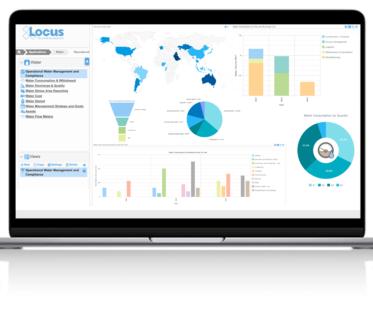
Locus Permit Management runs on the same Locus Platform that powers waste management, air quality, safety incident management, audits and inspections, and more than 30 other purpose-built EHS and ESG apps. Every permit obligation in the system connects natively to the compliance programs, analytical data, and reporting tools that fulfill it. A Title V air permit connects to the Air Quality app. An RCRA permit connects to Waste Management. An NPDES permit connects to Industrial Water. Compliance teams that already use Locus for other programs gain permit management without adding a separate system or a new data integration to maintain.

Platform Overview

Why compliance teams choose Locus Permit Management

Centralize every permit, obligation, and deadline in one place.

Every permit's metadata, conditions, renewal dates, linked facilities, responsible parties, and attached documents live in a single configured system. No more hunting across spreadsheets, shared drives, or disconnected databases.

Connect each obligation to the tasks and workflows that fulfill it.

Permit conditions cascade automatically into the tasks, sampling events, inspections, and regulatory submissions that deliver on them. Nothing falls through the gap between a permit condition and its fulfillment.

Know what is at risk before a regulator tells you.

Automated alerts notify the right people when a reporting deadline approaches, a required sample has not been collected, or a monitoring value is trending toward an exceedance — before any of those become violations.

See every obligation across every facility from one view.

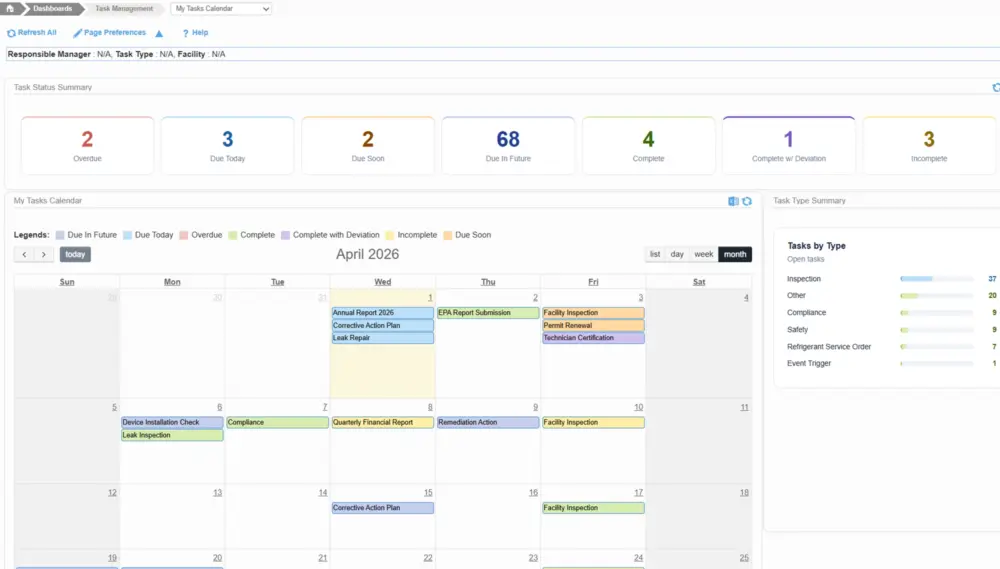
The Locus Compliance Calendar assembles all requirements across permits, programs, and facilities into a unified view that can be filtered by site, responsible party, permit type, or activity, plus it integrates with Microsoft Outlook.

Young EHS and ESG professionals working on AI and environmental data

Adapt to new regulations without a software upgrade.

Locus Configuration Workbench lets compliance teams update the system to reflect regulatory changes, new jurisdictions, or expanded permit portfolios without custom development or vendor involvement.

Walk into every audit with a complete, time-stamped record.

Every compliance action is tracked with user attribution, timestamps, and obligation linkage. Audit preparation becomes a matter of access, not assembly from emails and paper files.

05 // Neno Duplan, Founder and CEO, Locus Technologies, on the Port of Seattle implementation

"The Port will streamline tracking of environmental compliance obligations using Locus' SaaS

...with a configuration suited to their business processes. The Port selected Locus software because it meets a wide set of robust permit tracking and notification requirements for their active Maritime operations."

From permit condition to
regulatory submittal

06 // Lifecycle

  • Capture

    Enter or import permit records with their full metadata (permit number, issuing agency, expiration and renewal dates, monitoring conditions, applicable limits, linked facilities, and responsible parties). Attach digital copies of permits, inspection results, and enforcement actions directly to the permit record.

  • Connect

    Each permit condition connects to the specific tasks, workflows, sampling obligations, and report generation steps that fulfill it. Multi-step workflows divide compliance work across roles, enforce logical dependencies, and route assignments to the right stakeholders automatically.

  • Monitor

    The Compliance Calendar surfaces all obligations across all facilities in a unified, filterable view. Automated alerts are issued when deadlines approach, required activities have not been initiated, or monitoring values trend toward permit limits. Escalations route to supervisors when obligations are missed.

  • Submit

    Permit conditions for Clean Air Act, Clean Water Act, RCRA, and OSHA programs connect directly to the data collection workflows and reporting tools that produce required submittals — NetDMR, Title V, RCRA Biennial, SARA 313/TRI, OSHA 300, and others — from the same system tracking the underlying obligations.

Locus Permit Management software simplifies compliance

07 // Key Features

Permit Records and Obligation Tracking

Locus captures every facet of a permit in a structured, searchable record. Identifying metadata, expiration and renewal dates, monitoring conditions, applicable regulatory limits, linked facilities, responsible parties, and historical records all live in one place. Digital copies of permits, inspection results, and enforcement actions attach directly to the permit record. When a permit condition triggers downstream requirements like report generation, sampling events, internal reviews, and regulatory submissions, those requirements cascade automatically into connected tasks and workflows. Nothing falls through the gap between a permit condition and its fulfillment.

Workflow Automation →
Task and Compliance →

Compliance Calendar and Obligation Scheduling

The Locus Compliance Calendar assembles all compliance requirements across permits, programs, and facilities into a unified view. Filter by site, responsible party, permit, activity type, or status to see exactly what is due and who owns it. Audit events, inspection schedules, sampling obligations, and regulatory reporting windows all appear in a single interface. Tasks integrate with Microsoft Outlook, so compliance deadlines appear alongside other organizational commitments. When parameters change (i.e., frequencies shift, deadlines move, or new obligations are added), edits cascade through the entire program automatically.

Workflow Automation →
Task and Compliance →

Task Assignment and Workflow Automation

Every permit obligation in Locus connects to specific tasks or multi-step workflows. Tasks cover any compliance activity: audit and inspection events, sampling programs, report generation, notices of violation, and corrective actions. Each carries a frequency, recurrence schedule, completion date, assigned party, and trigger condition. Multi-step workflows divide sequential compliance work across roles, route assignments to stakeholders and business groups, and enforce logical dependencies (e.g. a required second step cannot be marked complete until the first is done). Locus also supports connections to regulatory content providers, giving compliance teams access to the context and conditions of their obligations within the same environment where they are managed.

Workflow Automation →
Task and Compliance →
Audits and Inspections →

Automated Alerts and Escalations

Locus continuously monitors the status of compliance obligations and sends automated alerts when programs drift off track. When a reporting deadline approaches, the responsible party receives a reminder. When a required sample has not been collected on schedule, an alert is sent to the program manager. When a permit condition is at risk of exceedance, a notification goes to the compliance lead and assigned supervisor. Compliance teams spend their time resolving issues rather than discovering them.

Tasking and Workflow →
AI and Agents →

Engineer Manager

Multi-Facility and Multi-Jurisdiction Management

Enterprise compliance programs span multiple facilities, permits, agencies, and jurisdictions, each with its own requirements. Locus gives compliance managers both a granular facility-level view and an aggregated enterprise-wide view of obligation status, open tasks, approaching deadlines, and audit findings. Role-based access controls ensure facility managers see their specific obligations while regional and corporate compliance teams see across the full portfolio. When the organization expands to new jurisdictions, Locus Configuration Workbench adapts the system without custom development.

Security and Data Governance →
Configuration Workbench →

Regulatory Reporting Integration

Compliance obligations culminate in regulatory submittals. Locus connects obligation management directly to the reporting tools that fulfill it. Permit conditions for Clean Air Act, Clean Water Act, RCRA, and OSHA programs link to the data collection workflows and report generation tools that produce the required submittals. Organizations report to EPA NetDMR, Title V, RCRA Biennial, SARA 313/TRI, OSHA 300, and other frameworks from the same system that tracks the underlying obligations — with no re-entry, reconciliation, or parallel data management required.

Air Quality software →
Industrial Water software →
Waste Management software →
Safety and Incident Management software →
Analytics, Reporting and Dashboards software →

08 // Neno Duplan, Founder and CEO, Locus Technologies

"We are very pleased that Port of Seattle, after selecting Locus earlier this year, recognized the power and flexibility of Locus

... and extended the use of Locus to include Permit Compliance. The Port selected Locus software because it meets a wide set of robust permit tracking and notification requirements for their active Maritime operations."

Permit Management is one app on a platform built for your entire EHS and ESG program

09 // Truly Unified Platform

Locus = No Data Silos

A permit obligation does not exist in isolation from the program it governs. An air permit connects to the monitoring data and reports that demonstrate compliance with it. A waste permit connects to the manifests, disposal records, and annual reports that fulfill it. A water discharge permit connects to the effluent monitoring data and DMRs that satisfy it. In Locus, those connections are native; permit management and the programs that serve permits share the same platform and the same data. Organizations that already use Locus for EHS or ESG programs add permit management without a new system or a new integration.

All Locus apps share a unified data layer

10 // Locus Ecosystem

Air Quality Air Emissions Management Software for Title V, NSR, NESHAP, and Permit Compliance
Waste Management Hazardous Waste Management Software for Regulated Enterprises
Safety and Incident Management Safety and Incident Management Software for OSHA, FRA, and Enterprise EHS Compliance
Industrial Water Industrial Water Management Software for Manufacturers and Industrial Facilities
Audits and Inspections Audit and Inspection Management Software for Enterprise EHS Programs
Task and Compliance Task and Compliance Management Software for EHS, ESG, and Water Programs
Chemical Inventory Chemical Inventory Management Software for Complex Operations
ESG and Sustainability Metrics ESG Reporting Software for Organizations That Need Their Disclosures to Hold Up
Full Locus Ecosystem Browse the complete collection of pre-built applications.

11 // Software Demonstration

See Locus Permit Management in Action

Managing permit compliance across multiple facilities and jurisdictions is too consequential to evaluate from a brochure. Talk to a Locus compliance specialist who can show you how the platform handles your specific permit portfolio, your regulatory programs, and the reporting obligations that flow from them.
Request a Personalized Demo

Frequently Asked Questions

12 // FAQ

Permit management software centralizes the tracking of permits, obligations, deadlines, and reporting requirements that govern an organization's environmental, health, and safety programs. It connects each obligation to the tasks and workflows that fulfill it, alerts responsible parties when action is needed, and maintains the audit trail that demonstrates compliance to regulators. Locus manages these functions across any number of facilities, permits, agencies, and jurisdictions in a single configured system.

Locus captures every permit's metadata, expiration and renewal dates, monitoring conditions, applicable limits, and linked facilities in a central record. Each condition connects to specific tasks or workflows that deliver on it. Automated alerts notify the responsible party when a deadline approaches and escalate to supervisors when it is missed. The Compliance Calendar provides a filterable view of all obligations across all facilities, integrated with Microsoft Outlook so compliance deadlines appear alongside other organizational commitments.

Yes. Locus Configuration Workbench lets compliance teams update the platform to reflect regulatory changes, shifting priorities, or new jurisdictions without custom development or software upgrades. New permit obligations are added, connected to relevant tasks and workflows, and immediately visible in the compliance calendar and reporting dashboards. When obligation parameters change, edits cascade automatically through all connected tasks, schedules, and notifications.

Locus links permit conditions directly to the data collection workflows and report generation tools that fulfill them. Organizations track Clean Air Act, Clean Water Act, RCRA, and OSHA permit conditions in the same platform used to produce EPA NetDMR, Title V, RCRA Biennial, SARA 313/TRI, and OSHA 300 submittals. Data collected to fulfill a permit condition flows directly into the applicable report without re-entry or reconciliation.

Locus maintains a complete, time-stamped record of every compliance action — every obligation fulfilled, every task completed, every data point submitted. During an inspection, compliance teams can demonstrate exactly what was done, who did it, when it occurred, and which permit condition it satisfied, directly from the platform. No scrambling to reconstruct records from emails and spreadsheets.

Yes. Locus provides both granular facility-level views and aggregated enterprise-wide visibility of obligation status, open tasks, approaching deadlines, and audit findings. Role-based access ensures facility managers see their specific obligations while regional and corporate teams see across the full portfolio.

Permit obligations connect natively to the Locus apps that serve them. An air permit connects to Air Quality monitoring data and Title V reporting. A waste permit connects to Waste Management manifests and RCRA Biennial reporting. A water permit connects to Industrial Water effluent monitoring and DMR generation. Organizations that already use Locus for other EHS or ESG programs add permit management without building a new integration or maintaining a separate system.