
01 // Cross Connection Control & Backflow

Manage cross connections in the same platform as your ad-hoc and routine sampling

Backflow Device Management Software for Water Utilities

02 // Purpose-built Software

Most cross-connection programs are built on tools that were never designed for them. Spreadsheets that only one person understands. Homegrown databases assembled by someone who has since retired. Paper test reports mailed in by certified testers and re-entered by hand.

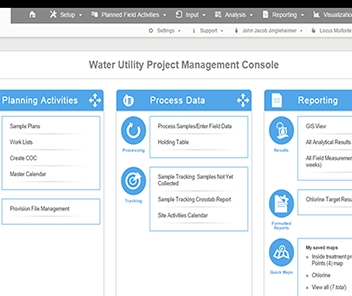
Locus Technologies Backflow Software replaces all of that with a cloud-native platform that centralizes device records, automates scheduling and notices, and gives licensed testers a submission portal, which can be accessed on a mobile device for data entry directly from the field. The software is built on the same system that has managed compliance data for utilities, government agencies, and other regulated industries since 1997. Your backflow program belongs here.

The platform is secured under SOC 1 Type 2 and SOC 2 Type 2 certification, configurable without writing a single line of code, and designed to scale as your program grows.

Solutions for Water Utilities

Benefits of Locus Backflow Device software

Simplify Cross Connection Control programs and avoid siloed compliance management tools

Replace spreadsheets and siloed data with one centralized, audit-ready system.

Every backflow device, test history, service location, customer record, and compliance notice lives in a single cloud platform that is accessible to program staff, reviewed and approved by administrators, and ready for audit at any point.

Give licensed testers their own portal to submit results from any mobile device.

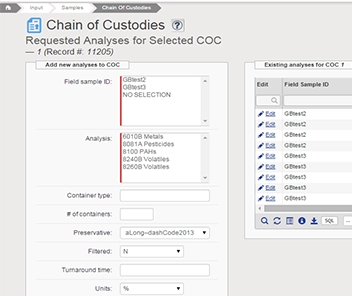
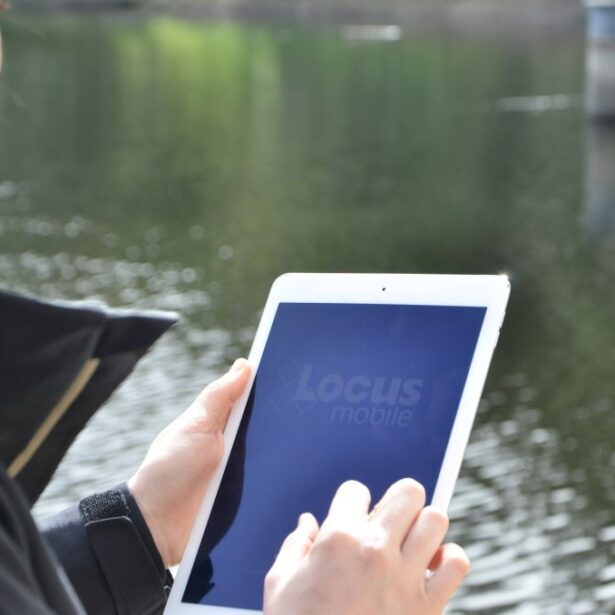
Each licensed tester receives an individual account to manage their company information, licenses, certifications, test gauges, and to submit test results in real time from any mobile device. Validation prevents testers from submitting incomplete or outdated information.

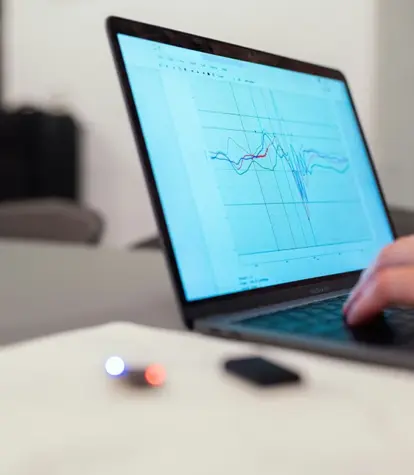
Man working on laptop as demonstration of AI for EHS and ESG

Automate the scheduling and notice generation that consumes back-office staff time.

Locus automatically assigns and tracks test frequency and due dates aligned with local and state regulations and generates reminder notices, notices of violation, and custom notices via email or letter.

Monitor real-time compliance rates across your entire service area.

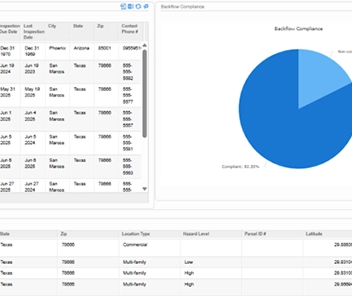
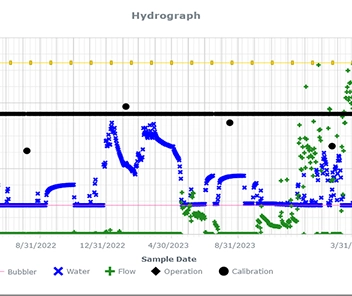
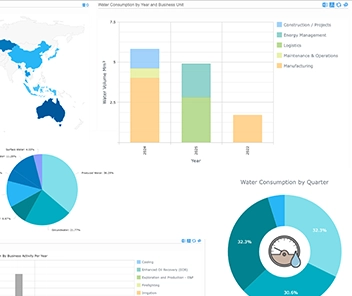
Configurable KPI dashboards surface compliance rates, upcoming inspections, device status, and certified inspector activity. Program managers gain a real-time view of where the program stands without pulling reports manually.

Map every device and identify elevated-risk locations in your distribution area.

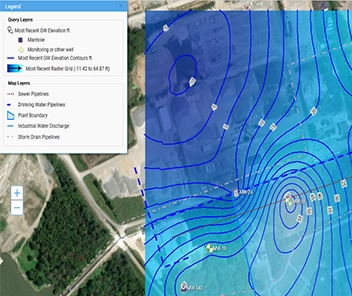
Integrated GIS displays backflow devices across the service area and supports risk analysis using historical data, proximity to industrial hazards, and data pertaining to pressure fluctuations. Staff can prioritize program attention where it matters most.

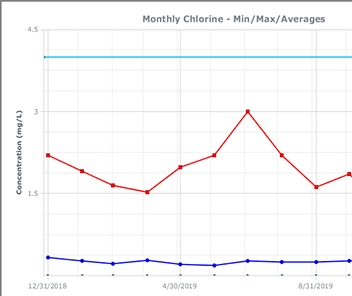
Connect your backflow program to routine and ad-hoc sampling on the same platform.

When backflow data shares a platform with your larger drinking water quality monitoring program staff see the full water safety picture in one system. There are no separate logins, no manual data bridging, and no reconciliation.

04 // Laura Underwood, Director of Digital Water Services, Locus Technologies

"With the Locus Backflow Prevention app, utilities and operators can manage all aspects

... of their backflow programs, from device tracking to test result submissions and customer notifications, all within Locus Platform. This app is a key step forward in backflow device management which will streamline your program implementation and oversight."

How Cross Connection Control programs run on Locus

05 // Lifecycle

  • Organize

    Build and maintain a centralized record of every backflow device, service location, customer account, and licensed tester. Capture device type, manufacturer, serial number, installation details, hazard description, and full test history.

  • Survey

    Conduct cross-connection surveys to identify hazards and verify device installation across the service area. Track site assessment records, required corrective actions, and follow-up status in the same system as the device registry.

  • Schedule

    Automatically assign test frequency and due dates aligned with local and state regulations. Generate and send reminder notices to customers and testers in advance of due dates so tests are completed on time.

  • Collect

    Licensed testers access their individual accounts from any mobile device, look up previous records, and submit test results in real time. Administrators review and approve inspections from the same platform.

  • Report

    Configurable dashboards surface real-time compliance rates, upcoming inspections, overdue devices, and historical trends. Generate pre-built reports for audits and regulatory review. Map device locations and compliance status using integrated GIS.

Tested and proven backflow device management

07 // Feature Highlights

Centralized Device Registry and Program Records

Locus maintains a centralized registry of every backflow prevention assembly, including customer details, licensed tester information, inspection results, service address, non-compliance logs, and notification history all in a single platform. Program staff can create unique views of the dataset or drill down to specific details for each record. Common fields include device type, manufacturer, serial number, installation date, and compliance status. Locus tracks hazard level classification as a core field in every device record, supporting testing frequency determination and regulatory defensibility. The complete test history for every device is accessible at any point, supporting audit preparation and state program reviews without reconstructing records from paper files or disconnected spreadsheets. For utilities that conduct periodic cross-connection surveys to identify hazards and verify device installation across the service area, Locus supports survey workflow management, site assessment records, and follow-up tracking within the same platform as the device registry.

Drinking Water Quality →
Water Utilities Solutions →

Licensed Tester Portal and Mobile Result Submission

Locus issues individual accounts to every licensed tester in the program. From any mobile device, testers can look up previous records, review device details, and submit test results in real time without returning to the office. Validation prevents testers from submitting results without up-to-date license, certification, and test gauge information on file, which protects program data integrity at the point of entry. Administrators review and approve submitted inspections from the same platform. The tester portal eliminates the paper test report cycle, reduces manual re-entry by program staff, and creates an immediate, validated record of every inspection the moment it is completed in the field.

Locus Mobile →

Automated Scheduling, Notifications, and Compliance Enforcement

Locus automatically assigns and tracks test frequency, due dates, compliance status, and device requirements aligned with local and state regulations. When a test is approaching its due date, reminder emails can be sent, while reminder letters can be generated to be sent by mail. When a test is overdue or a device is found non-compliant, NOV letters can also be generated along with a non-compliance record which is tied to the backflow device and tracks when the notice was sent, how long the device has been out of compliance, and when the device returns to compliance by attaching the new test record. Customer notice templates are fully editable, so utilities maintain complete control over the language, format, and timing of every communication. Full notification history is logged against each device record, creating a complete enforcement trail that supports regulatory audits and legal defensibility.

Task and Compliance Module →
Permit Management →

Compliance Dashboards and Trend Reporting

Configurable KPI dashboards give program managers a real-time view of compliance status across the entire service area. Monitor compliance rates, upcoming inspections, overdue devices, and certified inspector activity from a single interface. Custom dashboards can be configured by power users to align with local preferences and program reporting requirements. Historical trend analyses show how compliance rates have changed over time. Pre-built reports support audit preparation and regulatory reporting. Program administrators can view results by district, zone, property type, hazard level, or any grouping that reflects how the program is organized internally.

Locus GIS+ →

GIS Device Mapping and Risk Analysis

Integrated GIS displays every backflow device in the distribution area on an interactive map. Staff can see device locations alongside compliance status, test history, and hazard classification at a glance. Locus GIS+ supports risk analysis using historical data, proximity to industrial hazards, and data pertaining to pressure fluctuations, which helps program staff identify areas where elevated cross-connection risk may warrant priority attention or more frequent testing schedules. GIS views can be shared with operations staff and other departments in real time.

Locus GIS+ →
Drinking Water Quality →

Configurable Workflows and Platform Integration

Locus Backflow is configurable without writing a single line of code. Workflows, forms, compliance rules, dashboards, and notice templates can all be modified by program staff to align with local requirements and internal processes. The platform integrates with adjacent water apps, ERP software, smart sensors, and analytical data sources. When cross-connection control data shares the Locus Platform with drinking water quality monitoring, industrial pretreatment compliance, and stormwater programs, program staff see the full water safety picture in one system. Device records, tester data, and compliance history connect natively to the rest of the utility's compliance and water quality data without requiring a separate integration or a custom development project.

Drinking Water Quality →
Configuration Workbench →

08 // Neno Duplan, Founder and CEO, Locus Technologies

"With the launch of the Backflow Prevention app, traditional data silos are crumbling,

... and our customers are gaining full control over their data, inspections, and compliance."

09 // Truly Unified Platform

One solution on a platform built for your entire water, EHS, & ESG program

For utilities navigating staff transitions and retirements, centralized cloud-based program records mean that device histories, tester certifications, notice logs, and compliance documentation live in the platform rather than in the files of the person who built the program.

Water Quality Frameworks

All Locus apps share a unified data layer

10 // Locus Ecosystem

Drinking Water Quality Drinking Water Quality Software for SDWA Compliance, Monitoring, and Regulatory Reporting
Stormwater MS4 Stormwater Compliance Software
Industrial Pretreatment & FOG Programs Industrial Pretreatment and FOG Program Management Software for POTWs
Municipal Wastewater Wastewater Management Software for NPDES Compliance, Effluent Monitoring, and Regulatory Reporting
Full Locus Ecosystem Browse the complete collection of pre-built applications for water, EHS, and ESG

11 // Software Demonstration

See Locus Cross Connection Control in action

Cross connection control programs vary by service area size, state program requirements, hazard inventory, and the number of certified testers in the program. Talk to a Locus water specialist who understands how the software handles your specific device inventory, local compliance rules, and tester workflow, and how it can connect to the rest of your water compliance program.
Request a Personalized Demo

Frequently Asked Questions

12 // FAQ

A cross-connection control program requires water utilities to maintain a registry of backflow prevention assemblies across the distribution system, ensure that each device is tested on the required schedule, track tester certifications, and enforce compliance when tests are overdue or devices fail. Managing this on spreadsheets or paper introduces gaps that regulators find during program audits. Locus Technologies centralizes the entire program in one cloud platform, automating scheduling, notices, and reporting while maintaining a complete, audit-ready record of every device and every test.

Locus issues individual accounts to every licensed tester in the program. Testers log in from any mobile device, look up device records, review previous inspection history, and submit test results in real time. Validation checks prevent testers from submitting results without a current license, certification, and test gauge information on file. Administrators review and approve submitted inspections from the same Locus software. The portal eliminates paper test reports and the manual re-entry that paper creates.

Locus automatically sends reminder notices via email, while bulk letters can also be generated to be mailed. Notices of violation letters can also be generated in bulk when tests are overdue or devices are found to be non-compliant, and other custom notices can be set up using automated emails or letter templates. Notices are delivered via email or letter. Customer notice templates are fully editable, so utilities maintain complete control over format and timing. The full notification history is logged against each device record.

When a device reaches its due date without a completed test, Locus software automatically updates its compliance status and initiates the configured enforcement workflow, which may include generating a notice of violation, updating the non-compliance log, and escalating to the program administrator. The full sequence is documented in the device record and available for audit review.

Locus CCC/Backflow software runs on the same cloud platform as Locus Drinking Water Quality, IPP software for industrial pretreatment, FOG, MS4 Stormwater, and other apps. Device records, tester data, and compliance history share the same data layer as drinking water monitoring results. Program staff access all of these programs through the same interface, under the same SOC 1 Type 2 and SOC 2 Type 2 security certification.

Yes. Locus Backflow is configurable without writing a single line of code. Test frequency requirements, due date calculations, compliance rules, notice templates, dashboard layouts, and workflow settings can all be modified by program staff to align with local program requirements and state regulations. When requirements change, your team quickly updates the configuration without vendor involvement.

Integrated GIS displays every device in the distribution area on an interactive map, with compliance status, test history, and hazard classification visible at the device level. Locus GIS+ adds risk analysis using historical data, proximity to industrial hazards, and data pertaining to pressure fluctuations. GIS views are shareable with operations staff and other departments in real time.