
01 // INDUSTRIAL HYGIENE

Exposure data you can defend. Every sample. Every result. Secured in Locus software.

02 // Purpose-built software

Industrial Hygiene Software for Exposure Monitoring and Compliance

Industrial hygiene programs generate some of the most complex and consequential data in any EHS operation. Yet most organizations still manage it across disconnected modules, spreadsheets, and lab systems that do not talk to each other.

Locus Industrial Hygiene changes that. The app delivers exposure monitoring, sampling management, laboratory integration, and compliance reporting within a single, unified platform — natively connected to your chemical management, environmental data, and safety programs. Every exposure record, every sample result, and every corrective action lives in one defensible system of record, not assembled at audit time from fragmented sources.


Built on Locus Platform

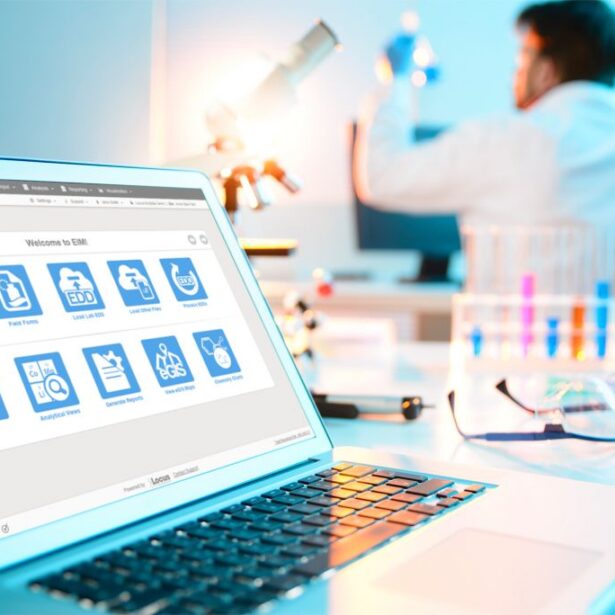
The Locus Industrial Hygiene app is built within the Locus Platform and works with Locus Environmental Information Management (EIM) software, creating a single enterprise-grade system of record that spans environmental, safety, compliance, and operational functions. Employee, location, and asset records are shared system wide. Data defined once is instantly available across all applications.

The platform connects via API to third-party resources, supports single sign-on security, and maintains 99.99%+ verified uptime. The app is fully configurable by power users using metadata and business rules, with no coding required. It adapts to your workflows and your assessment practices, not the other way around.

Engineer Manager

Why EHS teams choose Locus Industrial Hygiene

One system for exposure monitoring, sampling, lab results, and reporting.

No more reconciling data from disconnected modules at audit time. Everything lives in a single, traceable record.

Existing employee and location data pre-populate every IH workflow automatically.

Sampling events draw from records already in the platform, eliminating redundant entry and ensuring consistency across programs.

Lab results flow directly into exposure records with no manual handoffs.

Native LIMS integration and connections to Locus EIM and Chemical Inventory eliminate the data loss that happens between field collection and analysis.

Automated exceedance flagging surfaces risks before exposures become incidents.

Configurable calculation engines compare results against OSHA PELs, ACGIH TLVs, and your own thresholds the moment data

Configure assessment workflows to match your organization's practices exactly.

Power users build the workflows, not developers. No coding required, no vendor engagement needed when processes change.

Container yard workers with tablet

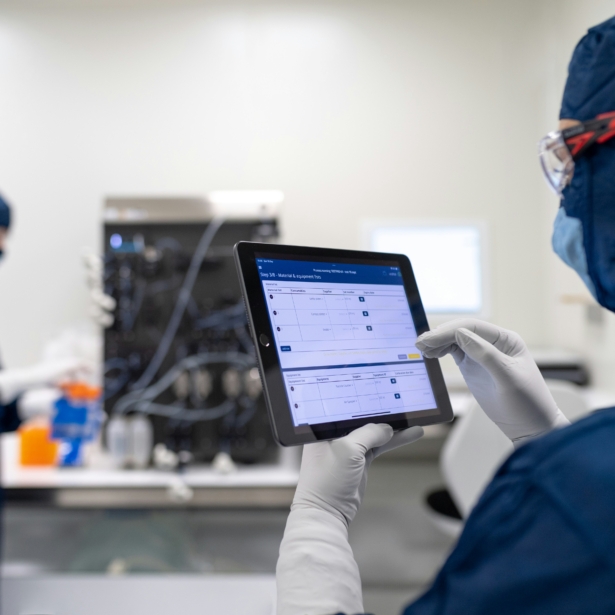
Real-time field measurement capture reduces transcription errors at the source.

Data logged in the field links immediately to the correct sample and exposure record, not hours later at a desk.

Enterprise-wide IH dashboards give every stakeholder the visibility they need.

Configurable reports support regulatory submissions and management review, all drawing from the same clean, centralized dataset.

Managed from end-to-end

04 // IH Program Lifecycle

  • Plan

    Define Similar Exposure Groups, assign hazards and control measures, and configure assessment workflows before a single sample is collected.

  • Sample

    Create and schedule sampling events with auto-populated fields. Capture real-time field measurements to eliminate transcription errors.

  • Analyze

    Lab results flow in automatically through LIMS integration, linking directly to samples and exposure records. Calculation engines apply OSHA PELs, ACGIH TLVs, and custom thresholds instantly.

  • Act

    Automated exceedance flagging triggers corrective actions. Track them to completion and close the loop with audit-ready documentation.

Locus Industrial Hygiene software simplifies compliance

05 // Feature Highlights

Exposure Assessment and Planning

Industrial hygiene starts before a single sample is collected. The Locus IH app lets professionals define Similar Exposure Groups, assign tasks, hazards, and control measures, and configure assessment workflows that reflect how their organization actually operates. Every workflow draws from employee and location data already in the Locus Platform. Nothing is re-entered. Nothing is out of sync. When an assessment plan is ready, the platform's tasking engine pushes assignments to the right team members and tracks completion automatically. For multi-site organizations, this consistency across facilities is not just efficient. It is what makes enterprise-level IH data defensible.

Solutions for Manufacturing →
Solutions for Chemical Companies →
Solutions for Pharmaceuticals →

Sampling and Field Monitoring

Sampling events in Locus software are created and managed with auto-populated fields drawn from existing platform records. Schedules are set, field teams are notified, and every sample is traceable from planning through collection. Real-time field measurement capture means data does not wait to be transcribed at the end of a shift. It arrives in the system the moment it is recorded, linked to the correct sample and exposure record. The result is faster analysis and a shorter path from field observation to corrective action. Traceability is complete at every step.

Locus Mobile →

Laboratory Integration

Lab results are where IH data quality most often breaks down. Manual re-entry, mismatched sample IDs, and delayed uploads introduce errors that are difficult to detect and expensive to correct. Locus eliminates those handoffs. The app connects natively with LIMS systems, Locus Chemical Inventory app, and the Locus EIM software, automating the ingestion of analytical results and linking them directly to source samples and employee exposure records. The data arrives in the right place, in the right format, attached to the right record. No re-entry. No reconciliation. The coupled approach between field collection and lab analysis results in better data quality and outcomes that are defensible under regulatory scrutiny.

Locus EIM →
Chemical Inventory →
API Integrations →

Exposure Analysis

Knowing the number is not enough. You need to know what it means the moment it arrives. Locus Technologies’ configurable calculation engines support TWA, STEL, ceiling values, and custom metrics, evaluated against OSHA PELs, ACGIH TLVs, or organization-specific thresholds. Automated exceedance identification surfaces risks immediately. Corrective action can begin before an at-risk exposure becomes a recordable incident or a regulatory violation. For IH programs managing dozens of hazard types across multiple sites, that speed matters. So does the confidence that every calculation is reproducible, traceable, and built on verified data.

EHS Compliance Solutions →
OSHA Compliance Frameworks →

Compliance Reporting and Dashboards

Regulatory submissions and management reviews draw from the same dataset in Locus. There is no separate reporting environment, no export-and-reformat cycle, and no risk of a disconnect between what your dashboards show and what your submission contains. Real-time dashboards provide enterprise-wide visibility into IH program performance. Configurable report templates support OSHA submissions and internal management review alike. The Locus Dashboards and Reporting tools let your team build the views each stakeholder needs, from a site-level IH coordinator tracking sampling status to a corporate EHS director reviewing exceedance trends across all facilities. Every view draws from the same clean, centralized data.

Dashboards and Reporting →
EHS Compliance Solutions →
OSHA Compliance Frameworks →

06 // Neno Duplan, Locus Technologies

"No custom development. No data silos. No redundant workflows.

... Just a defensible, audit-ready system built for the demands of modern industrial hygiene."

Locus Industrial Hygiene is one app on a platform built for your entire EHS and ESG program

07 // Truly Unified Platform

Locus = No Data Silos

The Locus Industrial Hygiene app does not operate in isolation. Chemical records from the Chemical Inventory app pre-populate IH workflows automatically. Exposure data links to the same employee and location records used across waste management, safety incidents, and audits programs. When an exceedance triggers a corrective action, the Locus tasking engine routes the assignment, tracks completion, and closes the loop in the same system where the exposure was recorded.

For IH programs at complex, multi-site enterprises, this integration is the difference between a defensible audit trail and a patchwork of disconnected records assembled under pressure. Locus supports an ecosystem of more than 30 purpose-built apps. Your IH implementation can expand into new capabilities as your program grows, all on the same platform, and all sharing the same data.

All Locus apps share a unified data layer

08 // Locus Ecosystem

Chemical Inventory Software Cradle-to-grave control over their entire chemical universe, from initial acquisition through final disposal
Waste Management Software Hazardous Waste Management Software for Regulated Enterprises
Audits and Inspections Planning, scheduling, and tracking of enterprise-wide inspection programs in a single, mobile platform
Safety & Incident Management Software for OSHA, FRA, and enterprise EHS compliance
Air Management Software Air Emissions Management Software for Title V, NSR, NESHAP, and Permit Compliance
GHG Reporting Software GHG Management Software for Regulatory Reporting, Carbon Accounting, and Emissions Compliance
Full Locus Ecosystem Browse the complete collection of pre-built applications

09 // Software Demonstration

See Locus Industrial Hygiene in action

Your IH program is too important to evaluate from a fact sheet alone. Talk to an EHS software specialist who understands exposure monitoring, sampling program design, and the regulatory demands of industrial hygiene in complex operations. Find out exactly how Locus software fits your program.
Request a Personalized Demo

Frequently Asked Questions

10 // FAQ

The Locus Industrial Hygiene app delivers exposure monitoring, sampling management, laboratory integration, and compliance reporting in a single unified platform. It is built on the Locus Platform and connects natively with Locus Chemical Management, Locus EIM, and LIMS systems, so every exposure record, sample result, and corrective action lives in one defensible system of record.

A Similar Exposure Group, or SEG, is a defined collection of workers who share similar exposure profiles for a given hazard. In Locus software, IH professionals define SEGs, assign hazards and control measures, and configure assessment workflows at the group level. Existing employee and location data from Locus Platform pre-populate every SEG workflow automatically, eliminating redundant entry and keeping records consistent across programs.

The app's configurable calculation engines support Time-Weighted Average, Short-Term Exposure Limit, and ceiling values, evaluated against OSHA Permissible Exposure Limits, ACGIH Threshold Limit Values, or organization-specific thresholds. Automated exceedance identification surfaces risks the moment analytical results arrive, so corrective action can begin before an exposure becomes a recordable incident.

Locus connects natively with LIMS systems, Locus Chemical Management, and the Locus EIM app. Analytical results are ingested automatically and linked directly to source samples and employee exposure records, without any manual re-entry or file transfer. The coupled approach between field collection and lab analysis eliminates the handoffs where data quality most often breaks down.

The app runs on the Locus Platform and interfaces with the Locus EIM app, creating a shared system of record across environmental, safety, compliance, and operational data. Chemical records from Chemical Inventory pre-populate IH workflows. Corrective actions from exceedances connect to the platform's tasking engine. Employee and location records are shared across all applications without any duplicate entry.

Yes. The app is configured by power users using metadata and business rules, with no coding required. Assessment workflows, SEG structures, calculation thresholds, data fields, and report templates are all adjustable to match your organization's practices. For enterprises in manufacturing, oil and gas, chemicals, and other high-hazard industries, this means the software adapts to your program rather than the other way around.

Every exposure record, sample, and result is consistent, traceable, and linked to its source in the same system. Real-time dashboards and configurable report templates always draw from the same centralized dataset, so there is no gap between what your dashboards show and what your regulatory submissions contain. When an auditor asks for documentation, the record is already assembled.