01 // PRODUCED WATER

Produced water Isn't a waste problem. It's a water management problem.

02 // Purpose-built Software

Produced Water Management Software for the Full Lifecycle: From Wellhead to Reuse

Every barrel of oil produced generates between three and ten barrels of water. Across major U.S. basins, that adds up to billions of gallons of produced water every day. It’s briny, chemically complex, and subject to an expanding web of state, federal, and ESG reporting requirements.

Locus Produced Water software, from Locus Technologies, manages the full lifecycle: sourcing, transport, treatment, reuse, and disposal. It tracks every gallon, every transfer, and every location in a single cloud platform, giving operators real-time visibility, audit-ready compliance records, and the basin intelligence needed to turn produced water from a cost center into a strategic asset.
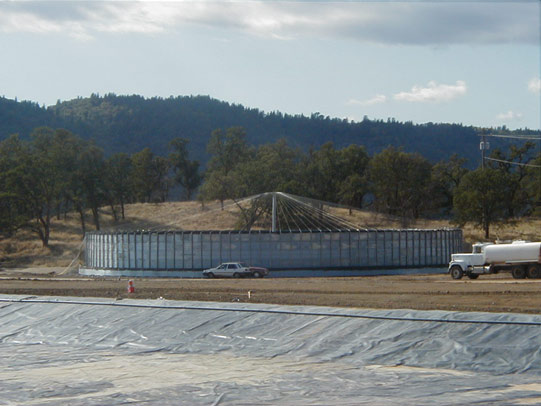
Built on Locus Platform

Locus Produced Water runs alongside apps for water quality, air emissions, GHG, waste management, and ESG reporting. Data flows across those programs without duplicate entry or manual bridging; produced water volumes appear in ESG disclosures, analytical results feed compliance records, and field data from mobile devices populates the same dashboards that executives and regulators review. The app connects to SCADA systems, flow meters, wellheads, pressure meters, valves, and analytical laboratories. Role-based permissions give water service providers, labs, and operators access to exactly what their work requires.

Platform Overview

Locus Technologies is
experienced and trustworthy

03 // Spotlight

  • Supporting Major U.S. Basins

    Permian · Bakken · Eagle Ford · Marcellus · Utica · DJ Basin

  • Full Produced Water Lifecycle

    Wellhead · Transport · Treatment · Reuse · Disposal

  • USGS Geochemical Database Integration

    100+ years of government data for benchmarking at your fingertips

  • Track Record of Performance

    18,000+ active users · 98% renewal rate year after year

Why oil and gas operators choose Locus for produced water management

Know where every gallon is at every point in the lifecycle.

From wellhead through transport, treatment, and injection or reuse, Locus tracks every transfer and every location in real time so operators can answer any question about water volumes with confidence.

Make water balance calculations that hold up to scrutiny.

Locus runs multiple simultaneous water balance calculations for evaporation ponds and surface impoundments, with automated material balance analysis and tank level discrepancy detection built in.

Meet state, federal, and ESG reporting requirements from one system.

Pre-built templates for state oil and gas commissions, NPDES permits, and ESG disclosures ensures the data that’s collected for daily operations produces the reports that regulators and investors require.

Benchmark water quality against 100+ years of regional data.

The integrated USGS National Produced Waters Geochemical Database places an operator's analytical results in the context of government records from across their basin, supporting treatment planning and strategic decisions.

Treat produced water as a resource, not a liability.

In arid basins where freshwater is scarce, the ability to track, treat, and document produced water reuse turns a compliance obligation into an operational and sustainability advantage.

Connect water data to your full environmental program.

Water quality results, air emissions from produced water handling, waste generated at treatment facilities, and ESG disclosures all draw from the same Locus data foundation. There are no separate systems to maintain.

05 // Neno Duplan, Founder and CEO, Locus Technologies

"Forward-looking energy companies are prioritizing integrated systems for all environmental programs

... as a way to capitalize on artificial intelligence and gain strategic insights across their portfolios. Locus is one of the few software developers with the underlying architecture, data validation, and domain expertise to deliver."

Produced water management across every gallon, every transfer, every location

06 // Lifecycle

  • Source

    Log water volumes and chemistry at the wellhead. Connect to SCADA systems, flow and pressure meters, and sensors. Load lab results via EDD or direct laboratory connection. Validate all incoming data against configured thresholds before it enters the record.

  • Move

    Track every transfer by truck, pipeline, or other conveyance from source to treatment facility, injection well, or reuse point. Locus GIS+ visualizes water logistics across the basin in real time — where the water is, where it is going, and where it has been.

  • Treat

    Monitor water quality through treatment, tracking key analytes including TDS, chlorides, barium, hydrocarbons, and radionuclides. Run simultaneous water balance calculations for evaporation ponds and surface impoundments. Detect tank level discrepancies automatically and forecast future water demands.

  • Decide

    Generate compliance reports for state oil and gas commissions, NPDES permits, and ESG disclosures. Benchmark water quality and treatment plans against the USGS National Produced Waters Geochemical Database. Run predictive analytics for infrastructure planning, efficiency optimization, and reuse strategy.

Locus Produced Water software simplifies compliance

07 // Feature Highlights

Full-Lifecycle Water Tracking and GIS Visualization

Locus tracks produced water from the moment it surfaces alongside oil and gas through every subsequent transfer, treatment stage, injection, or reuse application. Every gallon and every location is logged in the system of record. Locus GIS+ provides real-time visualization of water logistics across the basin. Operators see where water is moving, identify infrastructure bottlenecks, and spot optimization opportunities without assembling data from separate systems. The app supports all major fracking basins in the United States, including the Permian, Bakken, Eagle Ford, Marcellus, Utica, and DJ Basins, and flexes to the characteristics of different reservoirs, extraction techniques, and environmental conditions.

Locus GIS+ →

Water Quality Tracking and Laboratory Integration

The chemistry of produced water determines what can be done with it. Locus tracks key analytes at every stage of the lifecycle: TDS, chlorides, barium, hydrocarbons, and radionuclides, supporting compliance with treatment, reuse, and disposal thresholds. Lab results load via EDD or through a direct connection to the analytical laboratory, eliminating manual data entry and the transcription errors that come with it. All incoming data is validated automatically against configured thresholds. Exceedance alerts go to the right people immediately. The Produced Water app connects to SCADA systems, flow and pressure meters, and wellheads to bring operational monitoring data into the same record as laboratory analytical results.

Locus EIM →
PFAS Monitoring →

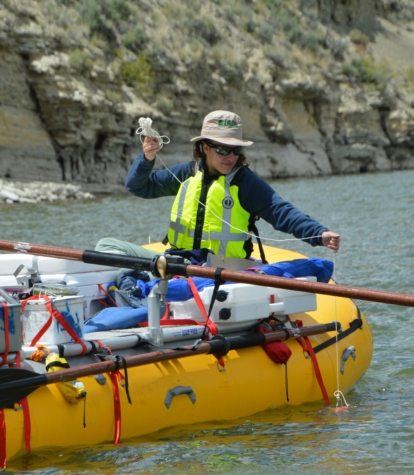
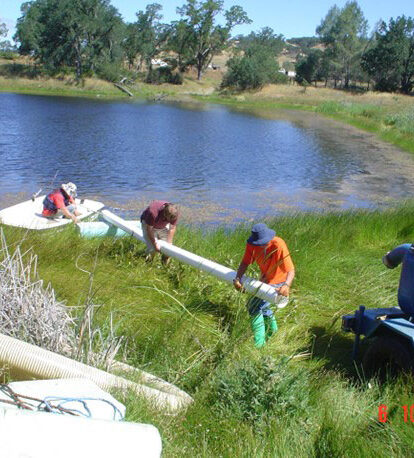
environmental sampling data in the field

Water Balance Calculations and Tank Analytics

Accurate water balance is the foundation of produced water management. Locus runs multiple simultaneous water balance calculations for evaporation ponds and surface impoundments, yielding auditable insights into inflows, evaporation rates, and storage capacity. Material balance analysis runs automatically, and the system detects tank level discrepancies as they occur rather than when someone reviews a report. Future water demand forecasting supports operational planning before constraints become crises. And in arid basins where water scarcity makes reuse both environmentally valuable and economically necessary, those forecasts are a strategic asset.
ESG and Sustainability Metrics →

Regulatory Compliance and Permit Management

Produced water compliance spans state oil and gas commission reporting, NPDES permits, underground injection control requirements, and an increasingly detailed set of ESG disclosure obligations. Locus produced water compliance software simplifies all of it. Built-in regulatory requirements, compliance calendars, workflow and tasking tools, and full audit trails give compliance teams the structure they need without the administrative overhead. Pre-built report templates for state commissions and federal programs pull from the operational data already in the system. As ESG reporting obligations around water use and water quality grow more specific, the same data driving daily compliance produces the sustainability disclosures that investors, lenders, and rating agencies require.

ESG and Sustainability Metrics →
Task and Compliance Module →

AI and computer engineering reviewing environmental data and AI models
Engineer working with tablet in the field

USGS Geochemical Database Integration and Benchmarking

Produced water chemistry varies significantly by basin, formation, and extraction method. Understanding how an operator's water compares to regional baselines matters for treatment planning, reuse decisions, and regulatory defensibility. Locus integrates the USGS National Produced Waters Geochemical Database directly into the software, placing more than a century of aggregated government geochemical records and anonymized operational data aggregated by Locus since 1997 alongside an operator's own results. That regional context accelerates strategic planning, supports treatment optimization, and gives organizations a scientifically validated benchmark for their compliance and ESG reporting.

USGS Database Integration →

Dashboards, Predictive Analytics, and ESG Connectivity

Produced water decisions are better when the data behind them is current, organized, and connected to the programs that act on it. Locus configurable dashboards monitor water balance, volume, quality, withdrawal by source, evaporation, infiltration, seismicity, energy consumption, emissions, hazardous waste production, historical use, and costs all in one view. Built-in predictive analytics elevate basin intelligence for infrastructure planning, efficiency improvements, and forward-looking forecasts. And because produced water data sits alongside Locus ESG, GHG, waste, and air emissions programs, the volumes, quality trends, and reuse rates that operators track daily are the same data points their sustainability reports draw from.

ESG and Sustainability Metrics →
GHG Tracking →
Air Quality →

08 // Neno Duplan, Founder and CEO, Locus Technologies

"We remain focused on delivering comprehensive water management solutions to our customers

... while advancing technologies for the beneficial reuse of water inside and outside of the oil and gas industry, which holds the promise of further improving the sustainability of our customers' operations."

Produced Water is one app on a platform built for your entire environmental operation

09 // Truly Unified Platform

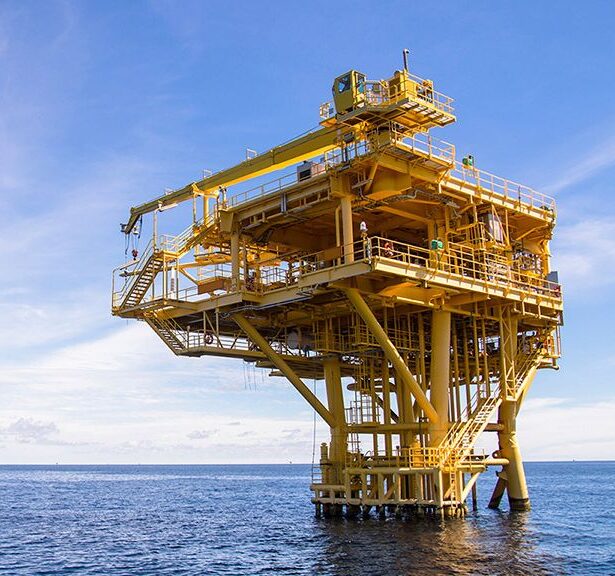
EHS compliance management for offshore oil & gas

Locus = No Data Silos

Oil and gas operations generate environmental compliance obligations across multiple programs simultaneously. The same site that produces water also generates air emissions from handling and transport, hazardous and solid waste from treatment processes, and GHG emissions that feed corporate sustainability disclosures.

In Locus software, none of those programs operate in isolation. Produced water data feeds ESG reporting. Air emissions from produced water infrastructure feed the Air Quality app. Waste generated at treatment facilities connects to Waste Management. The same field staff using mobile devices to collect produced water samples also access the same platform for other compliance programs.

10 // Software Demonstration

See Locus Produced Water in action

Produced water programs vary significantly by basin, extraction method, and regulatory environment. The best way to evaluate the software is a demonstration built around your specific operations — your basins, your analytes, your reporting requirements, and your reuse strategy. Talk to a Locus water specialist who understands the produced water lifecycle and can show you exactly how the platform handles your program.
Request a Personalized Demo

Frequently Asked Questions

11 // FAQ

Produced water is the water extracted alongside oil and gas during drilling and hydraulic fracturing. It is chemically complex, typically containing high concentrations of TDS, chlorides, barium, hydrocarbons, and naturally occurring radioactive materials. Volumes are large — often three to ten barrels of produced water per barrel of oil — and the water requires tracking, treatment, and disposal or reuse under state, federal, and ESG reporting requirements that vary significantly by basin and jurisdiction. General-purpose EHS or water quality software is not built for the combination of volumetric tracking, chemistry management, water balance calculation, and multi-jurisdictional compliance that a produced water management tool has to handle.

The app covers all major fracking basins in the United States, including the Permian, Bakken, Eagle Ford, Marcellus, Utica, and DJ Basins. It flexes to the characteristics of different reservoirs, extraction techniques, and environmental conditions across those basins.

The app tracks TDS, chlorides, barium, hydrocarbons, and radionuclides as standard analytes, supporting compliance with treatment, reuse, and disposal thresholds. Lab results load via EDD or through a direct connection to the analytical laboratory. The USGS National Produced Waters Geochemical Database integration provides regional benchmarking context for water chemistry across major basins.

Locus runs multiple simultaneous water balance calculations for evaporation ponds and surface impoundments, yielding auditable insights into inflows, evaporation rates, and storage capacity. Material balance analysis runs automatically, the system detects tank level discrepancies as they occur, and future water demand forecasting supports operational planning.

Pre-built templates cover state oil and gas commission reporting, NPDES permits, and ESG disclosures. Built-in compliance calendars, workflow and tasking tools, and full audit trails give compliance teams the structure they need. As ESG reporting obligations around water use and water quality grow more specific, the same operational data produces the disclosures investors and lenders require.

The app runs alongside Locus water quality, air emissions, GHG, waste management, and ESG programs. Produced water volumes and quality data feed ESG disclosures directly. Air emissions from produced water infrastructure feed the Air Quality app. Waste from treatment processes connects to Waste Management. Field staff access all programs through the same mobile interface. No separate systems to maintain, no manual data reconciliation between programs.

Customers range from leading supermajors to regional independent operators across major U.S. basins. A Fortune 10 oil and gas company selected Locus Water and Locus Waste software in 2025, consolidating all environmental programs on Locus software, having managed water quality analytical data in Locus software since 2003.