
01 // SERVICE ORDERS

Every task has a next step. Locus software makes it happen.

02 // Purpose-built Software

Service Order Management Software for Field Operations, Compliance Response, and More

A compliance inspection flags a valve leak. An environmental monitoring alert triggers a corrective action. A refrigerant exceedance requires a qualified technician on site within 30 days.

In every case, a task has been identified and something needs to happen next. The Locus Service Orders app closes that loop. It automates the scheduling, dispatching, and tracking of service tasks for any department, from inception to closure, within a single unified platform.

Work orders, field service management, corrective action tracking, technician management, and visual analytics are all standard, and the app integrates seamlessly with 30-plus purpose-built apps in the Locus ecosystem.

Built on Locus Platform

Locus Service Order Management is metadata-driven, which means power users can configure interfaces, workflows, and business logic to meet the needs of any department — from EHS compliance and field service to customer service — without custom development. Built-in Field Service Management tools and seamless integrations with the Locus ecosystem eliminate redundant data, optimize the efficiency of skilled technicians, and help organizations reduce software costs. All Locus software is delivered via a multitenant cloud that centralizes and secures data, enabling scalability and AI modeling that continually improves as the collective data grows. API connectors make it straightforward to load data from third-party systems and connect Service Orders to the tools your teams already use.

Platform Overview

Why operations teams choose Locus Service Orders

Woman at a computer

Quickly resolve issues that erode profits, safety, and compliance standing.

Service orders move from open case to qualified technician to resolved and documented without manual coordination between systems.

GHG Verification

Mobile access keeps field technicians updated and accurate in real time.

Technicians access job details, maps, parts inventories, and customer history from any mobile device. They can and capture notes, photos, and inspection questionnaires in the field.

Two women on a laptop

Close the loop between compliance tasks and corrective field action.

When an inspection finding, environmental alert, or safety incident requires a technician response, Service Orders software connects that trigger to the work order automatically.

EHS Director in the office

Visual analytics reveal performance, capacity, and process improvement opportunities.

Configurable dashboards show work orders by type and status, completion rates, resource utilization, technician performance, and case volume across every facility.

Configure fields, interfaces, and business logic for any department or use case.

There is no limit to the types of business processes your teams can manage. The app flexes to any use case without involving IT or outside developers.

Centralize all equipment, documentation, and service history in one place.

Service agreements, technical manuals, photos, and asset records are logged and linked to every facility and every piece of equipment — accessible when and where technicians need them.

Serve internal and external stakeholders from the same platform.

Whether the requestor is an internal EHS team or an external customer, Service Orders supports both workflows within the same configurable, unified system.

Managed end-to-end

04 // Service Order Lifecycle

  • Identify

    A compliance task, inspection finding, environmental alert, incident report, or manual request reveals the need for technician action. Locus captures it in one place.

  • Assign

    Built-in workflows match the required expertise to the open case. Work orders are assigned by priority, and resources are dispatched based on routes and territories to minimize idle time.

  • Execute

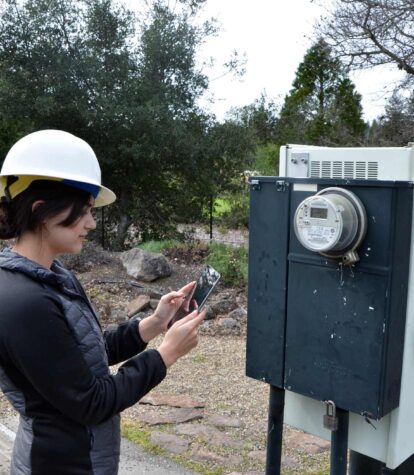
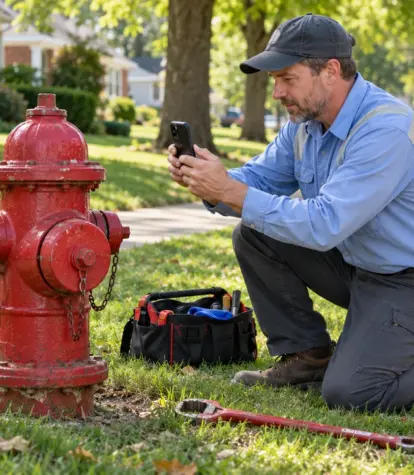
    The technician accesses the work order on any mobile device, updates status in real time, and captures notes, photos, parts usage, and inspection questionnaires from the field.

  • Close

    The service order closes with a complete, auditable record linked back to the originating task, inspection, or incident. Every loop is closed. Nothing is left open.

Locus Service Orders software simplifies operations

05 // Feature Highlights

Equipment and Asset Records

A service order is only as useful as the information behind it. Locus Service Orders logs every relevant detail about equipment, products, appliances, and machinery at each facility: service agreements, technical manuals, photos, maintenance histories, case categories, and any other documentation a technician needs to do the job correctly. Customer, contractor, and service agent records live in the same platform. Data entered once is available everywhere — no re-entry, no duplication. Plus, API connectors load data from third-party systems, so existing asset records and CMMS data flow in without manual work. When a work order is generated, the technician arrives prepared.

Facilities & Asset Management →
API Integrations →

Technician and Workforce Management

Getting the right person to the right place requires knowing who is available, what they are qualified to do, and where they operate. Locus Service Orders captures every salient detail about technician skills, licenses, certifications, locations, territories, routes, contracts, and service records. When a new case opens, the system matches expertise to requirement automatically. Work orders are assigned by priority. Resources are dispatched based on routes and territories to minimize idle time and optimize labor usage. Notifications go out automatically for assigned work orders, service delays, and next steps without anyone having to remember to send them. Service records accumulate over time, giving managers a complete picture of each technician's history, performance, and workload.

Workflow Automation →

Work Order Generation and Dispatch

Work orders should not require manual coordination across email threads and spreadsheets. Locus Technologies generates them automatically through configurable, end-to-end workflow automations that span the full lifecycle of each order. Cases are matched to qualified technicians, scheduled by priority, and dispatched based on routes and territories. The workflow logic adapts to the complexity of your operation — whether that means a single technician at one site or hundreds of field staff across multiple regions. Work orders that depend on external factors such as phased approvals, replacement parts, or other contingencies can be flagged to signal that completion is pending rather than overdue. Every assigned order, delay, and next step triggers an automatic notification so nothing slips through the cracks.

Locus Mobile →
Workflow Automation →

Field Status Tracking and Mobile Updates

Paper-based status updates and after-the-fact data entry create visibility gaps that managers cannot act on. Locus Mobile closes them. Technicians access job details, maps, parts inventories, and customer history directly from any mobile device. In the field, they capture notes, attach photos, and complete inspection questionnaires in real time. Status updates that are logged the moment work is done are immediately visible to supervisors and managers. The moment a technician acts, the record reflects it. Managers can intervene on overdue items before they miss a deadline. And for EHS programs where a 30-day repair window is a regulatory requirement, real-time visibility and status clarity is the difference between a defensible compliance record and a violation.

Locus Mobile →
Refrigerant Management →

Field team EHS working with tablet

Performance Analytics and Dashboards

Managing service operations without analytics is like managing in the dark. Locus Service Orders software includes configurable reports, KPI dashboards, and built-in data visualization to track service orders across every dimension your operation needs. Line graphs, pie charts, bubble graphs, and tables display work orders by type and status, completion rates, resource utilization, technician performance, and case volume. The platform tracks progress from installations, inspections, and diagnostics through corrective actions and billing. The result? Every stage of the work order lifecycle is visible, measurable, and audit ready. Process analytics surface patterns, identify bottlenecks, and generate the insights needed to optimize workforces and transform how service is delivered. Leadership gets visibility. Operations teams get the data to make better decisions.

Dashboard and Reporting →

Compliance Integration and Corrective Action Tracking

Service orders do not always begin with a customer request. Many of the most consequential ones begin with a compliance finding. A valve shows excessive corrosion during an inspection. A water quality sample exceeds its permit limit. A refrigerant exceedance triggers a mandatory repair. In each case, Locus Service Orders connects the trigger — from Task and Compliance, Audits and Inspections, Waste Management, Refrigerant Management, or Safety and Incident Management — to a tracked, assigned, and documented corrective action. Progress is visible from the initial finding through any intermediate steps, all the way to closure. All data is transparent and audit ready. The compliance loop closes in the same system where it opened. That auditability is the ultimate benefit of having integrated service order management on a compliance platform.

EHS Compliance Solutions →

06 // Neno Duplan, Founder and CEO, Locus Technologies

"Locus Service Order Management is the missing piece for organizations looking to streamline field operations and compliance response

...without adding another disconnected system. It makes little sense for customers to license and manage standalone service order software when they can use our fully integrated, AI-ready platform to initiate, track, and document corrective actions — whether responding to a water compliance alert, a refrigerant leak, or any other field event — directly from within the same system they already use to manage environmental data."

Service Orders is one app on a platform built for your entire operations and compliance

07 // Truly Unified Platform

Locus = No Data Silos

The most powerful thing about Locus Service Orders is not the work order itself. It is what happens before and after it. Before: a compliance inspection flags a finding, an environmental sensor triggers an alert, or a safety incident creates a corrective action requirement. The Service Orders app receives that trigger natively, because it runs on the same platform. After: the completed service record feeds back into the compliance system that generated the trigger, closing the documentation loop with a verifiable, auditable record.

No standalone field service or work order management tool can do that without a custom integration. Locus does it because every app shares the same data layer. That is the difference between a collection of tools and a platform.

Locus supports an ecosystem of more than 30 purpose-built apps. Your Service Orders implementation can connect to new programs as your organization's needs evolve — all on the same platform, and all sharing the same data.

Locus Ecosystem

All Locus apps share a unified data layer

08 // Locus Ecosystem

Task & Compliance Task and compliance management for EHS, ESG, and Water programs
Audits & Inspections Audit and Inspection Management Software for Enterprise EHS Programs
Safety & Incident Management Safety & incident management software for OSHA, FRA, and enterprise EHS compliance
Refrigerant Management Manage compliance, chronically leaking systems reporting, and ESG reporting
Waste Management Standard and hazardous waste management software for regulated enterprises
IT Service Management ITIL-Aligned IT Service Management Software Without the Enterprise Complexity
Facilities & Asset Management Facilities, Sites, Assets, and People Management for EHS, ESG, and Environmental Compliance Programs
Locus Mobile Field data that goes straight to the record
Full Locus Ecosystem Browse the complete collection of pre-built applications

09 // Software Demonstration

See Locus Service Orders in action

Field operations and compliance response move too fast for disconnected systems. Talk to a Locus specialist who can show you how Service Orders connects to the programs you already run — and how quickly a qualified technician can go from trigger to task to closed record.
Request a Personalized Demo

Frequently Asked Questions

10 // FAQ

Locus Service Orders software automates the scheduling, dispatching, and tracking of service tasks for any department, from inception to closure, within a single unified platform. It manages work orders, field service management, corrective action tracking, technician management, asset and equipment records, and performance analytics. Plus, it integrates with 30-plus Locus apps so service tasks triggered by compliance findings, inspections, or incidents are tracked in the same system where those events originated. All data is transparent and audit ready.

The app runs on the Locus Platform, which means compliance tasks, inspection findings, environmental alerts, and safety incidents from other Locus apps can trigger service orders automatically. When a refrigerant exceedance requires a technician response, when a water compliance alert demands corrective action, or when an inspection finding needs a repair, Service Orders receives that trigger natively and tracks the response from assignment through closure in the same system where the compliance event originated.

They serve different operational domains. Locus ITSM is built for IT organizations managing incident tickets, service requests, change approvals, problem investigation, a knowledge base, and IT asset tracking — aligned to ITIL disciplines. Locus Service Orders is built for field operations: scheduling and dispatching technicians, managing work orders across physical facilities and equipment, tracking parts and customer history in the field, and closing compliance loops that originate from EHS programs. Both run on the Locus Platform and can work together, but they are distinct products for distinct use cases.

Yes. The technician management module captures skills, licenses, certifications, locations, territories, routes, and service histories for every technician. Built-in routing and territory planning ensure the right technician is matched to the right case, with dispatch optimized to minimize idle time and maximize labor usage. The app scales from a single facility to a multi-region enterprise operation.

Locus Service Orders software is highly configurable. It is metadata-driven, which means power users can configure interfaces, workflows, fields, and business logic to match any department or use case without custom development or IT involvement. The app serves compliance teams, field service operations, customer service, and ITSM-adjacent workflows within the same configurable structure.

Technicians access job details, maps, parts inventories, and customer history from any mobile device. In the field they capture notes, attach photos, and complete inspection questionnaires in real time. They update work order status as work progresses, and those updates are immediately visible to supervisors and managers back at the office.

Configurable reports, KPI dashboards, and built-in data visualization display work orders by type and status, completion rates, resource utilization, technician performance, and case volume. The platform tracks progress from installations, inspections, and diagnostics through corrective actions and billing, with every stage visible and measurable. Process analytics surface bottlenecks and optimization opportunities across service operations, enabling data-driven decisions about resource allocation and workforce planning.