01 // SPILL MANAGEMENT

Locus software helps you log it fast. Respond correctly. Close the loop.

02 // Purpose-built Software

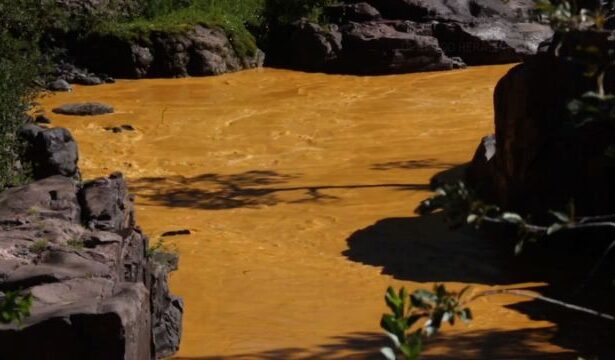
Colorado Mine Spill

Spill Management Software for Incident Tracking, Compliance, and Corrective Action

A spill is not just an environmental event. It is a compliance obligation, an investigation, a series of corrective actions, and a regulatory record — all happening at once, often in difficult field conditions.

The Locus Spill Management app gives EHS teams a single, cloud-based system for logging spill incidents of any type, routing the right response workflow, tracking corrective actions to completion, and generating the reports that both regulators and management require. From the first field observation through root-cause analysis and final documentation, every step is captured, assigned, and auditable on the same unified platform.

Built on Locus Platform

Locus Spill Management runs on the same metadata-driven platform that powers chemical inventory, waste management, task compliance, audits, and facilities management — which means a spill event does not create an isolated record in a standalone system. The affected chemical, the facility, the equipment involved, and the corrective work orders all share the same underlying data layer. The app is fully configurable by power users to match your organization's spill classification schemes, response protocols, and reporting formats, without custom development. API connections bring in regulatory content from third-party providers, so your response workflows stay current as regulations change. Offline mobile capability ensures data is captured even in remote or low-connectivity environments.

Platform Overview
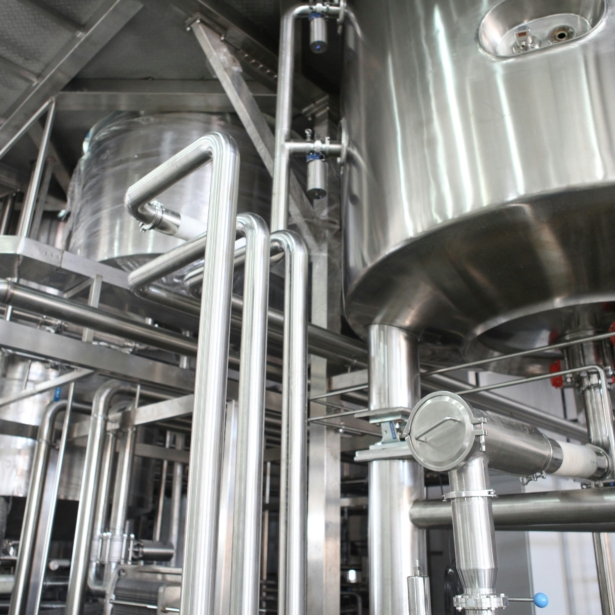
Chemical vat

Why EHS teams choose Locus Spill Management

Manufacturing Facility

Track any type of spill incident across all facilities in one system.

Oil, chemical, stormwater, and process spills — all captured in the same configurable record, searchable and reportable across every location you operate.

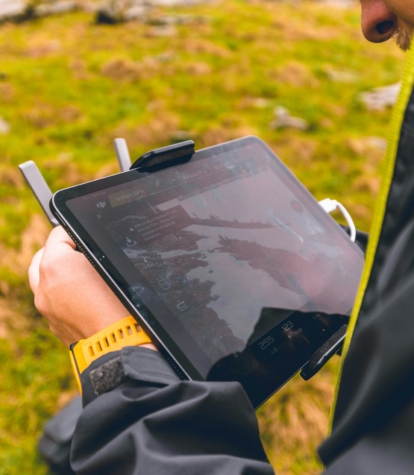
Log spills in the field, even when offline, with dynamic mobile forms.

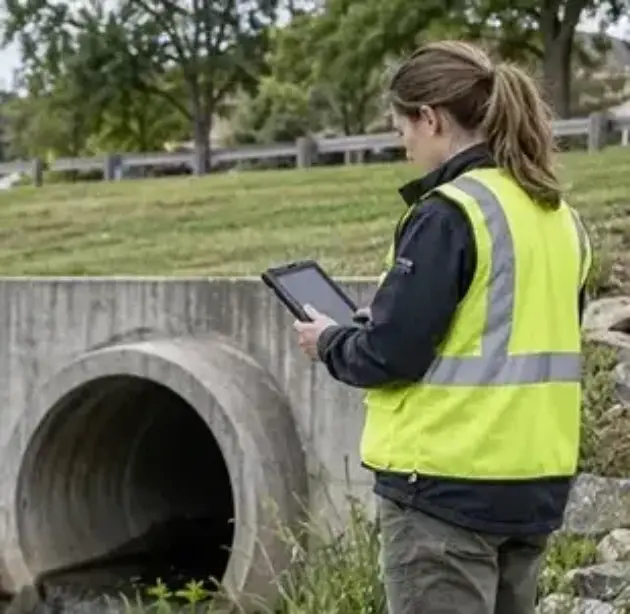
Field responders capture coordinates, incident details, and initial conditions at the scene — and the record syncs automatically the moment connectivity is restored.

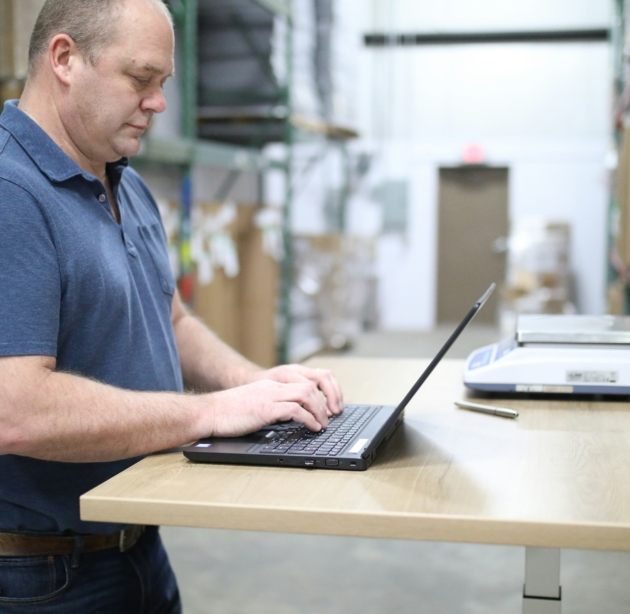
EHS compliance manager working on computer

Route spill response automatically based on spill type and severity.

Configurable workflows ensure the right steps are taken, by the right people, in the right sequence — every time, without manual intervention.

Document root-cause analyses and corrective actions with built-in tools.

Every spill deserves a complete investigation. Built-in analysis tools and dashboards ensure findings are captured, linked to the incident, and retained for audit.

Automatically send follow-up tasks from inspection checklist completions.

When an inspection reveals a condition that needs action, Locus creates and assigns the follow-up task automatically — no manual handoff required.

Monitor spill trends and compliance status with configurable dashboards

See incident frequency by facility, spill type, and time period — and share real-time views with team members and stakeholders who need the data.

Stay current with the latest regulations through integrated regulatory content.

Locus integrates with regulatory content providers to keep your response workflows aligned with federal, state, and local requirements as they evolve.

04 // Robert Pollock, Sr. Director, Environmental Projects and Services, Public Service Electric and Gas (PSE&G)

"With Locus' configurable solution, we can set up applications, dashboards and reports

... to align with our current compliance application and tailor the functionality to our specific business needs. We can continue to use our same data collection forms, but with more robust tracking tools to help our team keep on top of our EHS regulations and reporting requirements throughout PSE&G."

Managed from end-to-end

05 // Spill Incident Lifecycle

  • Detect

    A spill is discovered during a routine inspection, through a sensor alert, or reported by field personnel. Locus captures the initial observation immediately, from any device.

  • Log

    Field responders complete dynamic mobile spill forms, capturing location coordinates, spill type, estimated volume, affected media, and initial conditions — even without connectivity.

  • Respond

    Configurable workflows route the response to the right team, with the right protocol, based on spill type and severity. Automated task assignments ensure nothing is missed.

  • Close

    Root-cause analysis is documented, corrective actions are completed and verified, and the full incident record — from initial log through final resolution — is retained for regulatory reporting and audit.

Locus Spill Management software simplifies compliance

06 // Feature Highlights

Spill Incident Logging

Every spill record starts in the field. Locus Spill Management provides dynamic mobile spill forms that capture the details that matter: location coordinates, spill type and classification, estimated quantity, affected environmental media, weather conditions at the time of the incident, and any initial response actions taken. Field responders can log spills while offline; the record syncs automatically when connectivity is restored. Back at the office, the same incident record is immediately visible to EHS coordinators, facility managers, and compliance staff, so decisions are made with current information rather than delayed field reports.

Locus Mobile →
Locus GIS+ →

Configurable Spill Response Workflows

Not every spill warrants the same response. A small process fluid release requires different actions than an oil discharge near navigable waters. Locus routes spill response actions automatically based on the type of spill and configurable classification rules. The appropriate response protocol is triggered, the right personnel are notified, and the required steps are documented without a coordinator having to decide which procedure applies. Power users configure the workflows to match your organization's response plans and regulatory obligations. When regulations change, the workflow changes with them, without involving developers or outside vendors.

Workflow Automation→
Configuration Workbench→
EHS Compliance Solutions→

Root Cause Analysis and Corrective Action Tracking

Spill incidents are investigations, not just reports. Locus provides built-in tools and dashboards for documenting root-cause analyses, recording investigation findings, and assigning corrective actions with owners and due dates. Every finding links back to the originating spill record, creating a traceable chain from initial detection through final resolution. Corrective actions track to completion. When the work is done, the record is closed with full documentation of what was found, what was done, and when. That auditability is what makes an incident record defensible, not just complete.

Service Orders →
Audits and Inspections →

Automated Task Management and Follow-Up

Inspections and spill incidents both generate follow-up work. In Locus, that work does not need to be manually identified and assigned. When an inspection task is completed and a finding is recorded, follow-up actions are created and assigned from the checklist, and everything is fully integrated with the Locus Task Management app. Notifications go to the right team members. Deadlines are tracked. Overdue items escalate. The compliance calendar stays current. Nothing requires a coordinator to manually bridge the gap between a finding in the field and a task in someone's queue.

Service Orders →
Audits and Inspections →

SPCC Compliance and Regulatory Reporting

The SPCC rule — part of EPA's Oil Pollution Prevention regulations under 40 CFR 112 — requires specific facilities to develop, amend, and implement spill prevention plans, along with ongoing inspection and training requirements. Locus was the first cloud-based SPCC software in the industry, having introduced the capability in 2011. The app tracks SPCC tasks, manages inspection schedules, and generates spill reports in standard or facility-specific formats. Automated follow-on task creation ensures that required actions following a spill event are completed in accordance with regulatory timelines. Regulatory content integration with third-party providers keeps response workflows aligned with the latest federal, state, and local requirements.

EHS Compliance Solutions →
Air Permitting →
Waste Management →
Stormwater →

Platform Integration and Connected Data

A spill does not happen in isolation. The chemical involved is in your inventory. The facility where it happened is in your asset records. The waste generated requires a disposal record. The corrective work orders need technician dispatch. In Locus, all of those connections are native. Chemical Inventory, Waste Management, Facilities and Asset Management, and Service Orders all share the same underlying data layer as Spill Management, so a spill event automatically has access to the substance profile, the equipment record, and the regulatory classifications that define what response is required. No manual data transfer. No duplicate records. The platform handles the connections that disconnected systems lack.

Chemical Inventory →
Waste Management →
Facilities and Asset Management →
Service Orders →

07 // Wes Hawthorne, Former President, Locus Technologies

"By using Locus Platform's Compliance and Spill Management applications, PSE&G is combining the advantages of off-the-shelf software

...with Locus Platform's powerful configuration tools. This means PSE&G will get exactly the software solution they need to fit their business processes in the shortest time."

Spill Management software is one app on a platform built for your entire EHS and ESG program

08 // Truly Unified Platform

Locus = No Data Silos

A spill incident is rarely a self-contained event. The inspection that found it, the chemical that spilled, the waste that needs disposal, and the corrective work orders that follow are all managed in different programs. In the Locus ecosystem, they all belong to the same platform. The spill record connects back to the inspection finding that triggered it and forward to the waste disposal record, the corrective action work orders, and the compliance tasks that track it from remediation to completion.

This is just a sample of what is possible. Locus supports an ecosystem of more than 30 purpose-built apps. Your Spill Management implementation can connect to new programs as your EHS needs grow — all on the same platform, and all sharing the same data.

All Locus apps share a unified data layer

09 // Locus Ecosystem

Audits and Inspections Audit and Inspection Management Software for Enterprise EHS Programs
Chemical Inventory Chemical Inventory Management Software for Complex Operations
Waste Management Hazardous Waste Management Software for Regulated Enterprises
Service Orders Software for Field Operations, Compliance Response, and Beyond
Safety & Incident Management Software for OSHA, FRA, and enterprise EHS compliance
Facilities & Asset Management Facilities, Sites, Assets, and People Management for EHS, ESG, and Environmental Compliance Programs
Full Locus Ecosystem Browse the Complete Collection of Pre-Built Applications

10 // Software Demonstration

See Locus Spill Management in action

Spill compliance is too consequential to manage in spreadsheets or disconnected systems. Talk to a Locus EHS specialist who can show you how the platform handles your spill types, your response workflows, and your regulatory reporting requirements — and how quickly your team can go from first field observation to closed, defensible record.
Request a Personalized Demo

Frequently Asked Questions

11 // FAQ

The app is designed to track any type of spill incident per your business requirements, such as oil and petroleum product releases, chemical spills, process fluid releases, stormwater events, and any other spill classification your program requires. The configurable data model means spill types, classification schemes, and affected media categories are defined by your organization rather than constrained by the software.

Field responders use dynamic mobile spill forms on any device to capture location coordinates, spill type, estimated volume, affected environmental media, and initial response actions at the scene. The product’s offline capability allows data capture in remote or low-connectivity environments, with automatic sync when connectivity is restored. The record is immediately visible to the office team the moment it syncs.

Locus introduced the first cloud-based SPCC software in 2011. The app tracks SPCC task requirements, manages inspection schedules, documents spill events and their root causes, and generates reports in standard or facility-specific formats aligned with 40 CFR 112 requirements. Automated follow-on task creation ensures that required actions following a spill event are completed within required regulatory timeframes. Regulatory content integration keeps workflows current as requirements evolve.

Spill response workflows are configured by power users to match your organization's response plans, spill classification schemes, and regulatory obligations. When a spill is logged, the app evaluates the spill type and configured classification rules, then routes the appropriate response protocol automatically — notifying the right personnel and documenting the required steps. No manual triage is required.

The app runs on the Locus Platform, sharing the same data layer as Chemical Inventory, Waste Management, Facilities and Asset Management, Task Management, Audits and Inspections, and Service Orders. A chemical spill automatically has access to the substance profile from Chemical Inventory. A spill generating waste connects to the Waste Management workflow. A corrective action that requires a technician can trigger a Service Order. All connections are native — no manual data transfer, no separate integration to maintain.

Yes. Locus Spill Management is designed for multi-site enterprise operations. Spill incidents are tracked, searchable, and reportable across all facilities. Configurable dashboards aggregate data at the corporate level for trend analysis and compliance oversight, while site teams see what is relevant to their operations.

The app includes flexible reporting tools for spill-related activity, with standard and facility-specific report formats. Configurable dashboards display spill trends, incident frequency by type and location, root-cause summaries, and corrective action status. Reports can be shared with regulatory agencies, management, and other stakeholders directly from the platform.