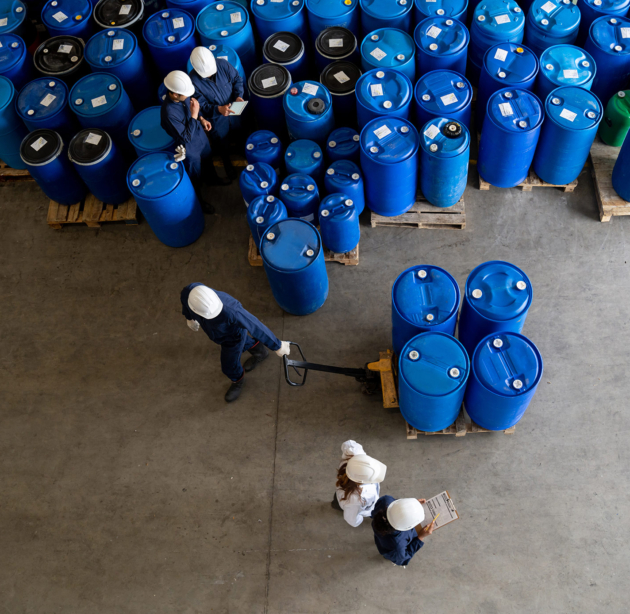
01 // Waste Tracking & Management

From generation to disposal, Locus software accounts for every step

02 // Purpose-built software

Standard and hazardous waste management software for regulated enterprises

Every waste stream carries regulatory obligations — manifest requirements, accumulation time limits, profile documentation, and disclosure deadlines that span EPA, DOT, and state agencies simultaneously. The Locus Waste Management app gives enterprises a single, configurable system for tracking, managing, and reporting every type of waste, from hazardous and universal to non-hazardous and recyclable, across all facilities and all stakeholders. It runs on the same unified Locus Platform as your chemical inventory, air permitting, and GHG programs, so waste data is never isolated from the rest of your compliance picture.
Built on Locus Platform

A waste stream, a facility, a disposal vendor: define it once, and the Locus Platform makes that record available across every relevant module, from chemical inventory intake to sustainability reporting. The platform is fully configurable by power users without writing a single line of code. Waste generators get streamlined workflows tailored to their role. Waste administrators get full control of every form, permission, and approval step. The Configuration Workbench handles it all.

Platform Overview

Why EHS teams choose Locus Waste software

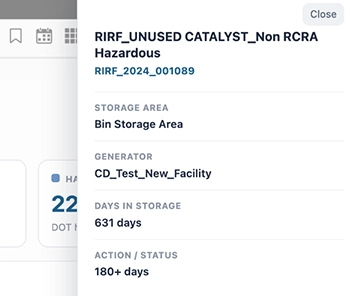
Track every waste stream across all facilities in one system.

Hazardous, non-hazardous, universal, recyclable, and PCB waste all managed in a single, searchable record

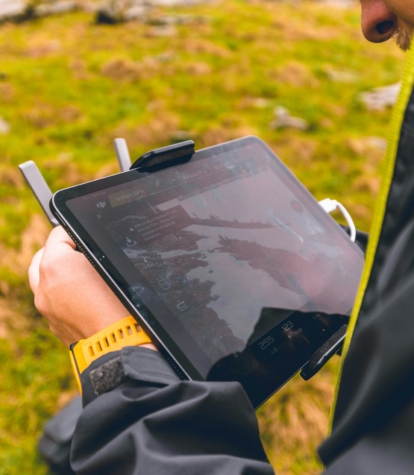
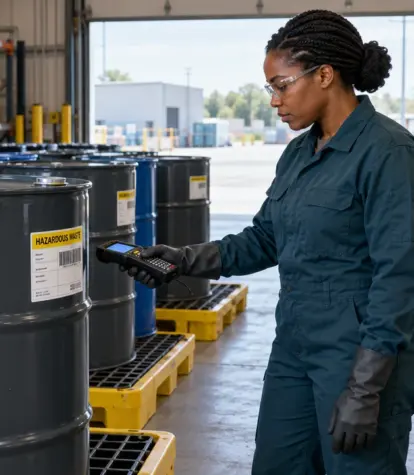
Update waste status in the field with full mobile and barcode support.

Scan a container, log a change, verify a label — all from the waste storage area, not a desk.

Container yard workers with tablet

Automate RCRA biennial, SARA 313, and TRI reporting with built-in templates

Pre-configured formats are ready to run; configurable outputs handle facility-specific variations.

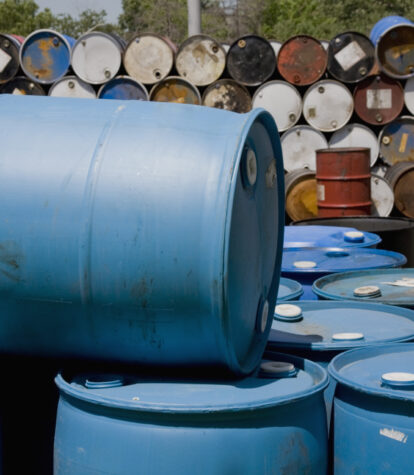
Waste Barrels

Generate manifests and submit e-Manifest to EPA directly from the app.

Automated label and manifest creation means paperwork is handled before a shipment leaves the site.

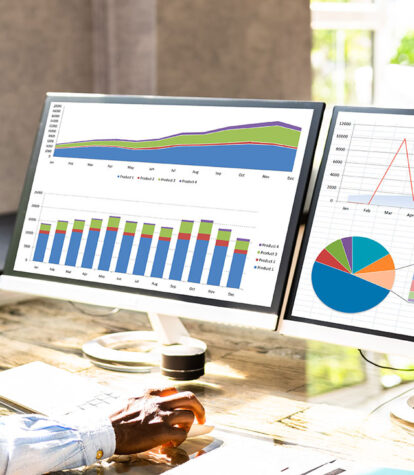
Dashboard

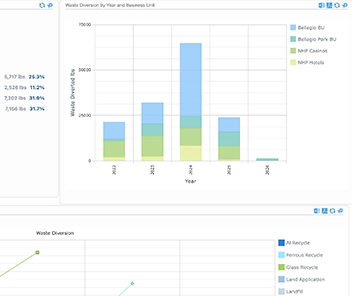
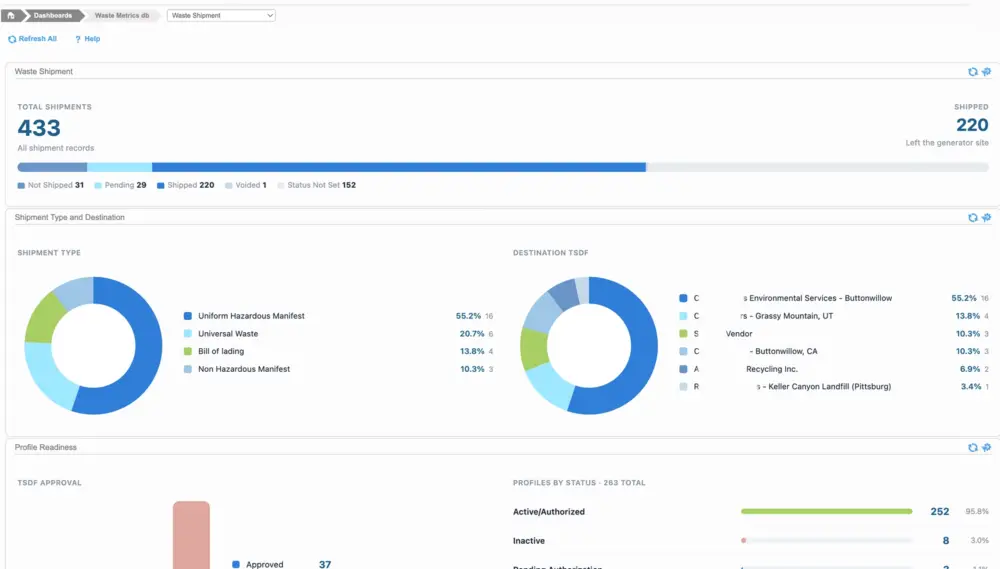
Personalized dashboards keep accumulation times and container status visible.

Track waste type generation by facility, disposal methods, and key compliance deadlines without digging through records.

Configure workflows and permissions to match your actual operations.

Waste generators and waste administrators work in the same system with role-appropriate views and controls.

Analyze hauler performance and disposal patterns across your enterprise.

The APTIM team used Locus analytics to identify underperforming vendors and cut disposal costs by $120,000 in a single year.

05 // Noah Manwaring, Environmental Systems Development Lead, Salt River Project

"Locus Platform helps our Waste Management resources to more effectively track,

... manage, and report information to regulatory agencies, facility managers, and corporate staff, and we can completely customize the solution using the built-in Configuration Workbench tool."

Managed from end-to-end

06 // The Waste Lifecycle

  • Generate

    Classify waste streams, create profiles, and assign EPA and DOT regulatory information at the point of generation.

  • Store

    Track container details, accumulation times, and storage locations at the facility, building, and container level.

  • Ship

    Create labels and manifests automatically; submit e-Manifest to EPA directly from within Locus.

  • Report

    Run RCRA biennial, SARA 313, TRI, and other regulatory outputs from pre-configured templates.

Locus Waste software simplifies compliance

07 // Feature Highlights

Cradle-to-Grave Waste Tracking

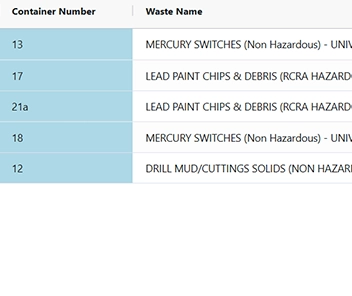
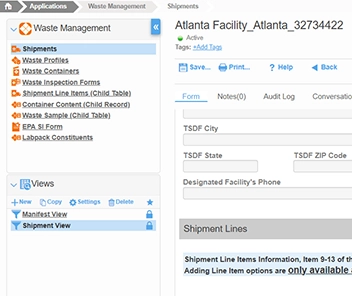
Track hazardous, non-hazardous, universal, recyclable, and PCB waste from generation through final disposal. Record waste streams, processes, profiles, container details, weights, and storage locations — searchable and reportable across all facilities.

The Locus Waste Management app tracks every type of waste your facilities generate, from the moment of classification through shipment and final disposal. Waste streams, processes, detailed profiles, container details and weights, and storage locations are all captured in one record. Data is searchable across all facilities and sortable by any field your team needs. The platform's configurable data fields mean you track exactly what matters to your operation; nothing more, nothing less. When regulators or auditors ask for documentation, the answer is already organized.

Chemical Inventory →
RCRA Solutions & Frameworks →

Waste Profile Management

Build and manage detailed waste profiles for every stream, including waste codes, physical properties, and generator information with automated EPA and DOT regulatory information assignment built in.

Every waste shipment depends on an accurate profile. Locus automates the assignment of EPA and DOT regulatory information to waste chemicals and manages those profiles throughout the waste lifecycle. Physical properties, waste codes, generator details, and special handling requirements are all captured in structured forms. The Locus Platform's rules engine validates data at entry, so profiles that leave your system are complete and defensible. Configurable permission levels ensure waste generators complete their portion while waste administrators maintain oversight of the full record.

Rules Engine →
EHS Compliance Solutions →

Automated Manifests, Labels, and e-Manifest

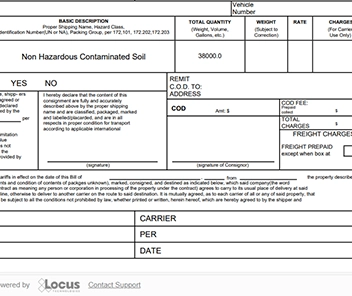
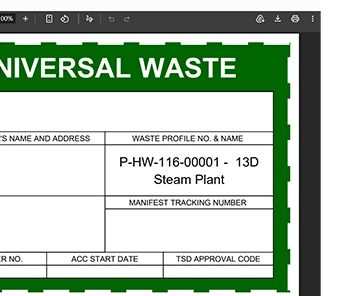
Automated label generation and manifest creation eliminate manual paperwork. Submit hazardous waste shipments directly to EPA's e-Manifest system from within Locus with full tracking from manifest creation through transporter receipt and TSDF confirmation.

Paper manifests create risk. Locus eliminates the manual work. The app generates labels and uniform hazardous waste manifests automatically, ready for any shipment. When it is time to submit, e-Manifest goes directly to EPA from within the platform. No re-entry. No separate portal login. Transporter receipt and TSDF confirmation flow back into the same record, closing the loop on every shipment with a complete, auditable chain of custody. The Locus Platform's tasking engine can notify the right team members at each step, ensuring nothing slips through.

Tasks & Calendaring →
RCRA Solutions & Frameworks →

Regulatory Reporting: RCRA, SARA 313, and TRI

Pre-configured reporting formats for RCRA biennial, SARA 313, and TRI with export files. Run reports with one click. Configure additional formats for state-specific requirements, all drawing from the same centralized waste dataset.

Regulatory reporting should not require starting from scratch every cycle. Locus ships with pre-configured formats for RCRA biennial reporting, SARA 313, and TRI, with export files ready for agency submission. The same centralized dataset that powers your daily waste tracking feeds your annual disclosures automatically. The Locus Dashboards and Reporting tools let you configure additional formats for state-specific or permit-specific requirements without custom development. One data source. Many reports. Every submission traceable back to a verified record.

Dashboards and Reporting →
RCRA Solutions & Frameworks →
TRI/EPCRA Framework →

Configurable Workflows and Role-Based Permissions

Design workflows that match your business processes, not the other way around. A robust permission model gives waste generators simplified views and waste administrators full control, and it’s all configurable by power users without involving IT or developers.

No two waste programs run exactly alike. Locus accounts for that. The platform's no-code Configuration Workbench lets power users design workflows, approval routing, notification triggers, and data fields that match how your operation actually works. Waste generators see what they need to do their job. Waste administrators have full control of every form, every approval step, and every report. When your processes change, the configuration changes with them — no vendor engagement, no development cycle, no waiting. It is the kind of flexibility that makes a long-term software relationship actually work.

Configuration Workbench →
Workflow Automation →

Mobile Integration and Barcoding

Update waste container status at the source with full Locus Mobile integration.

Data entry at a desk, hours after the fact, is where errors enter your waste records. Locus Mobile closes that gap. Field teams update waste status at the source — scanning barcodes, logging container changes, and verifying labels without returning to an office. The app is configurable for your specific waste profiles and operational workflows. When a container moves, the record updates in real time. When accumulation time starts, the clock starts in Locus software. Supervisors and administrators see the current state of every container across every facility, instantly.

Locus Mobile →

Safety Inspection

Waste Analytics and Hauler Performance

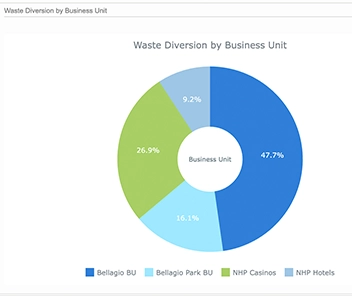
Personalized dashboards track container status, waste type generation by facility, accumulation times, and disposal methods. Analyze hauler performance and disposal patterns across your enterprise to identify inefficiencies and reduce costs.

Good waste data is more than a compliance requirement. It is a source of operational intelligence. Locus dashboards surface container status, waste type generation by facility, accumulation times, and disposal methods, and they are configurable to show exactly what each stakeholder needs. For EHS teams managing multi-vendor waste programs, the analytics go further. APTIM used Locus to build vendor scorecards for a national retailer operating 850 stores. The result: underperforming haulers identified, contracts restructured, and $120,000 in disposal cost savings in the first year. The platform data did not just satisfy regulators. It improved business decisions.

APTIM case study →
Dashboards and Reporting →

08 // Neno Duplan, Founder and CEO, Locus Technologies

"Almost every chemical that enters a manufacturing plant eventually becomes a waste product that needs to be tracked,

... managed, disposed of, and reported on. Locus makes it easier to stay on top of chemical inventories and waste — from the moment chemicals arrive at your site through the moment waste leaves it."

Locus Waste is one app on a platform built for your entire EHS and ESG program

09 // Truly Unified Platform

Locus = No Data Silos

Waste data does not live in a silo in the real world, and it does not need to in Locus either. When a chemical arrives at your facility, the Chemical Inventory app records it. When it becomes waste, the Waste Management app takes over with full knowledge of that substance's profile, regulatory classification, and storage history. When a waste shipment triggers an air emission or an industrial wastewater event, those records share the same underlying data. And when your sustainability team needs waste generation metrics for an ESG disclosure, the data is already there.

This is just a sample of what is possible on the Locus Platform. With more than 30 purpose-built apps available, your Waste Management implementation can connect to new capabilities as your program evolves — all on the same platform, all sharing the same data.

All Locus apps share a unified data layer

10 // Locus Ecosystem

Chemical Inventory Chemical Inventory Management Software for Complex Operations
Air Permit Software Air Emissions Management Software for Title V, NSR, NESHAP, and Permit Compliance
Industrial Wastewater Industrial Water Management Software for Manufacturers and Industrial Facilities
GHG Tracking Software Software for Regulatory Reporting, Carbon Accounting, and Emissions Compliance
ESG & Sustainability Software ESG Reporting Software for Organizations That Need Their Disclosures to Hold Up
Full Locus Ecosystem Browse the complete collection of pre-built applications.

11 // Software Demonstration

See Locus Waste Management in action

Waste compliance is too consequential to evaluate from a product sheet. Talk to an EHS software specialist who understands RCRA, multi-site operations, and the real cost of disconnected waste programs — and can show you how Locus fits your facilities.
Request a Personalized Demo

Frequently Asked Questions

12 // FAQ

The app tracks all types of waste your facilities generate, including hazardous, non-hazardous, universal, recyclable, and PCB waste. Each waste stream is captured with full profile documentation, container details, weights, storage locations, and disposal records, all in one searchable system.

The app generates hazardous waste manifests and labels and submits them directly to EPA's e-Manifest system from within Locus. Transporter receipt and TSDF confirmation flow back into the same record, creating a complete chain of custody for every shipment.

Pre-configured reporting formats include RCRA biennial, SARA 313, and TRI, with export files ready for agency submission. Additional formats can be configured for state-level or permit-specific requirements using the Locus Platform's reporting tools, without any custom development.

The two apps share the same underlying data layer on the Locus Platform. When a chemical is received and profiled in Chemical Inventory, that substance data is available to Waste Management automatically. There is no duplicate entry and no manual transfer of information between systems.

Yes. Locus Waste Management is designed for multi-site enterprise operations. Waste activities are tracked, searchable, and reportable across all facilities. Configurable dashboards and KPIs aggregate data at the corporate level while site teams work with views tailored to their facilities.

Field teams use Locus Mobile on any device to update waste container status at the source and log movements. The mobile experience is configurable for your waste profiles and operational workflows, so teams only see and interact with what is relevant to their role.

Highly configurable. Power users can add or remove data fields, design workflows, set approval routing, configure notifications, and adjust permission levels, all through the Locus Platform's no-code Configuration Workbench, without involving IT or outside developers. Waste generators and waste administrators can have entirely different workflow experiences within the same system.